// data-verified

6 Best Concrete Stain of 2026: Which Won't Peel or Wash Away

Uncover which concrete stains penetrate deep and which need a sealer to avoid peeling—so you can choose the right finish for your porch, patio, or basement.

The line between a concrete stain and a thin paint is blurry on product labels, leaving many homeowners with peeling color and wasted effort. The real difference comes down to chemistry and prep. Acid stains react with the concrete's minerals to create a permanent variegated finish, while water-based products range from penetrating tints to surface coatings that demand a sealer. Understanding that distinction is what transforms a patchy patio into a showpiece.

This article sorts seven of the most talked-about concrete stains into clear categories—from user-friendly hybrid stain/paints to artistic acid washes—so you can match a product to your project's surface, skill level, and durability needs.

Picking the right stain means your porch won't peel after the first rain, your basement floor won't look blotchy, and your fireplace surround won't require constant touch-ups. It starts with knowing what's actually in the bottle.

#01

Best Overall

INSL-X TuffCrete Light Gray

83 /100
Kirk Score Excellent
Opacity
Semi-Transparent to Opaque
Coverage
300-400 sq ft/gal
Stain Type
Water-Based Acrylic Hybrid
Application
Roller, Brush
Check Details on Amazon

Pros

  • Effortless roller or brush application, even on vertical masonry — 19 mentions, 89% positive
  • Works on interior and exterior concrete, stucco, and brick — 19 mentions, 100% positive
  • Two coats yield a uniform, like-new light gray finish that hides most discoloration — 13 mentions, 85% positive; 17 mentions, 88% positive for appearance

Cons

  • Single-coat stain application may not fully hide dark stains or blotches on bare concrete — 15 mentions, 53% negative
  • Peeling may occur on outdoor horizontal surfaces if the concrete retains moisture or is not etched — 19 mentions, 37% negative

INSL-X TuffCrete flows on smoothly with a roller or brush across concrete, stucco, and brick, even on vertical walls. A single coat creates a semi-transparent wash that livens up weathered gray tones while leaving the substrate's character visible. Two coats build to a uniform, low-sheen opaque finish that hides most discoloration and gives porches and walkways a fresh, like-new appearance.

The water-based acrylic dries quickly and stands up to detergents, oils, and scrubbing once cured. On horizontal surfaces like patios, adhesion can vary if the slab retains moisture or is not properly etched — isolated peeling has occurred within weeks. Thorough prep with a concrete etcher and ensuring the surface is dry before application minimizes this risk.

This hybrid suits DIYers refreshing front porches, walkways, or basement floors who want the flexibility to choose between a stained or painted look without buying separate products. The light gray hue is forgiving but will not act like a deep penetrating dye; if existing dark stains or heavy discoloration are present, expect to apply a second coat for full concealment.

💡 💡 Tip: For horizontal surfaces, etch the concrete and allow it to dry thoroughly before application to prevent peeling.

Bottom line: INSL-X TuffCrete is a smart choice for homeowners who want to refresh concrete without guessing whether a stain or paint is right — just decide between one coat for a semi-transparent look or two coats for durable, opaque coverage.

Check Latest Price
#02

Best for Variegated Artistic Effects

CR WRC Mocha 32oz

84 /100
Kirk Score Excellent
Opacity
Semi-Transparent
Coverage
100-500 sq ft
Stain Type
Water-Based Concentrate
Application
Brush, Roller
Check Details on Amazon

Pros

  • Exceptionally easy to mix and apply, even for beginners — 86 mentions, 95% positive
  • Produces attractive, natural-looking results on prepared surfaces — 73 mentions, 86% positive
  • Works effectively on porous surfaces like brick, block, and old concrete — 79 mentions, 90% positive

Cons

  • Adhesion can fail on underprepared surfaces, causing peeling — Negative coverage and drying time mentions, plus reviews stating 'paint peeled off at different spots' — adhesion vulnerability on underprepared surfaces
  • On very porous concrete, color can appear blotchy and require extra coats — 32 negative mentions out of 58 for staining coverage — some users found results uneven

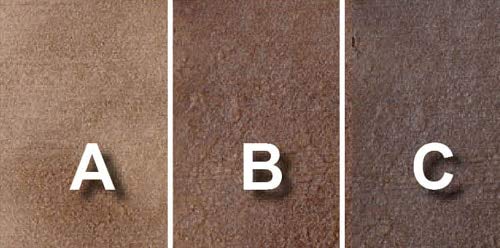
The built-in dilution control separates this concentrate from the stain/paint hybrids — you can produce soft washes or deep, layered mocha tones with a single bottle. It goes on easily across brick, block, and aged concrete, rewarding DIY experimentation.

This is a creative tool for decorative fireplaces, fountains, and feature walls where a mottled, natural look is the goal. Prep determines outcome: without thorough etching and cleaning, the formula can adhere like thin paint and peel. Coverage on very thirsty concrete may show blotches, so build your finish in tested coats.

💡 💡 Tip: Etch and clean the surface thoroughly, and test dilution on a hidden area before committing to avoid peeling or uneven coverage.

Bottom line: For decorative projects where controlled, variegated color matters more than foolproof uniformity, this concentrate delivers. Plan on thorough etching and test your dilution first.

Check Latest Price
#03

Best True Acid Stain

CC Acid Stain Caramel

83 /100
Kirk Score Excellent
Opacity
Semi-Transparent Variegated
Coverage
Up to 800 sq ft/gal
Stain Type
Acid-Based Reactive
Application
Check Details on Amazon

Pros

  • Creates deep, variegated marbling with an antiqued, rustic character — 126 mentions, 82% positive
  • Chemically bonds to concrete for a permanent finish that won't peel when sealed — 202 mentions, 94% positive
  • Performs on decades-old concrete and cinder block when properly prepped — 205 mentions, 79% positive

Cons

  • Some concrete surfaces may show washed-out areas or require multiple applications for even coverage — 145 mentions, 52% negative
  • Final color can appear with yellow or pale undertones, deviating from the caramel swatch based on concrete chemistry — 298 mentions, 46% negative

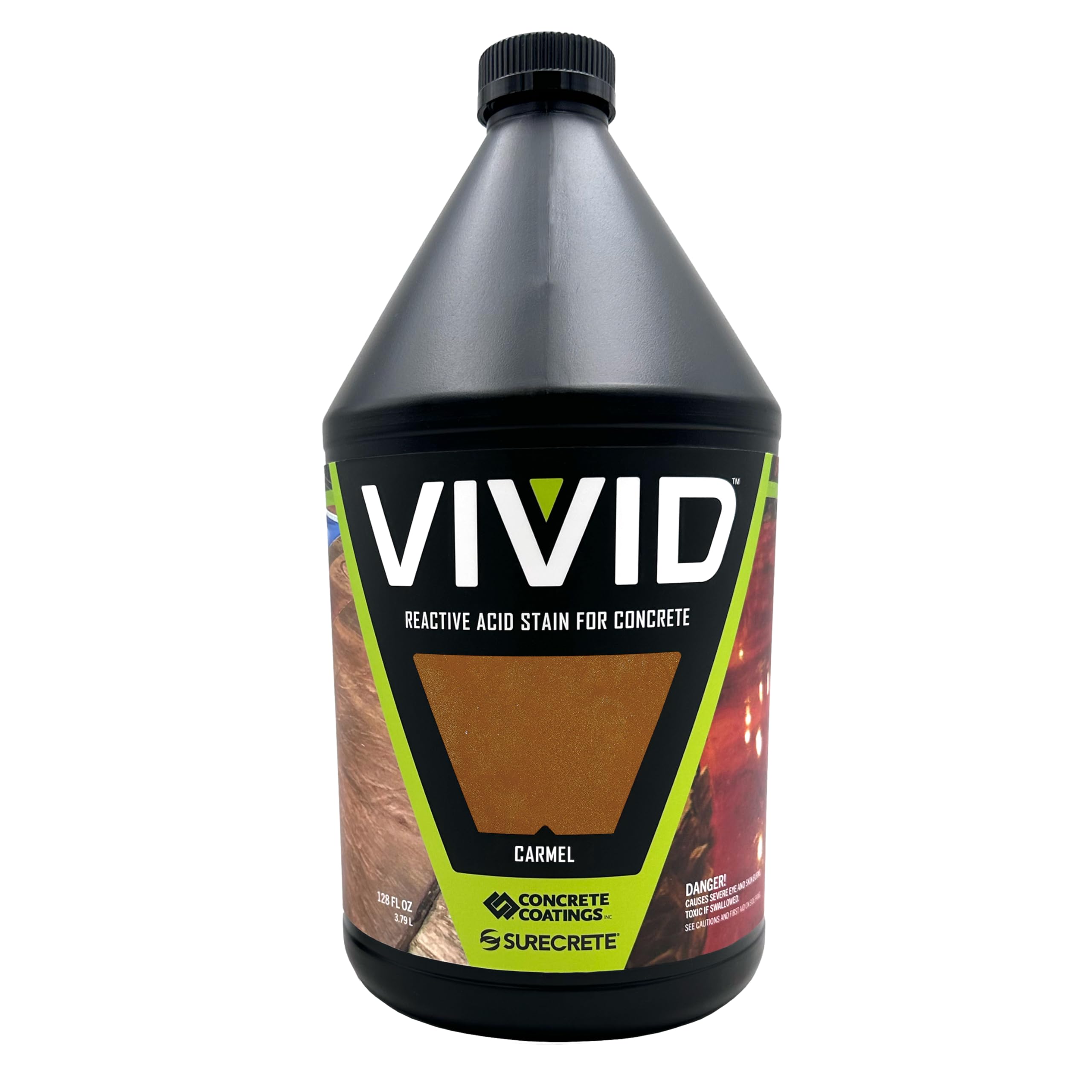
Unlike one-coat acrylic hybrids, this acid stain permanently transforms concrete through a genuine chemical reaction that creates organic marbling and antiqued depth. The caramel can shift toward yellow or lighter undertones depending on your slab's mineral makeup, and some areas may need a second application for full richness — but the resulting finish is difficult to replicate with topical products. It suits experienced hands chasing a floor with museum-quality patina, not a predictable swatch match.

💡 💡 Tip: Test on a hidden spot first — multiple coats and a compatible sealer can deepen and even out the final tone.

Bottom line: For experienced hands chasing organic, marble-like floors, this is a premium art medium — just budget for testing patches and a quality sealer to deepen the final look.

Check Latest Price
#04

Best Eco-Friendly Concentrate

Simple Stain Dark Slate

83 /100
Kirk Score Excellent
Opacity
Semi-Transparent
Coverage
600-700 sq ft/qt
Stain Type
Water-Based Concentrate
Application
Check Details on Amazon

Pros

  • Color deepens to a rich, appealing tone as it dries — 6 mentions, 83% positive — multiple users praise the final look after drying
  • Applies easily and dries quickly, even on first use — 6 mentions, 100% positive
  • Zero-VOC water-based formula with almost no odor for indoor use — Bullet points verified by several reviewers noting low odor

Cons

  • Undissolved pigment particles can leave dark spots on the surface if not strained out — 7 mentions of stain quality, 57% negative — some batches contained seed-like hard particles

With a coverage range of 600-700 square feet from a single quart, this concentrate outdistances smaller tint bottles and delivers a deep dark slate that intensifies as it cures. Indoor air quality stays high thanks to the zero-VOC, nearly odorless formulation, making it right for entryways, hearths, and sealed interior stone. The semi-transparent finish adds color without fully masking the underlying texture, though you'll want to strain the liquid before use — undissolved pigment particles can appear in the bottle and create uneven dark spots if applied directly.

💡 💡 Tip: Strain the concentrate through a fine mesh before applying to avoid dark spotting from undissolved pigment.

Bottom line: For homeowners who prioritize low-fume indoor staining and don't mind a quick pre-application strain, this concentrate delivers saturated color and thorough coverage.

Check Latest Price
#05

Best for Small Projects & Custom Tints

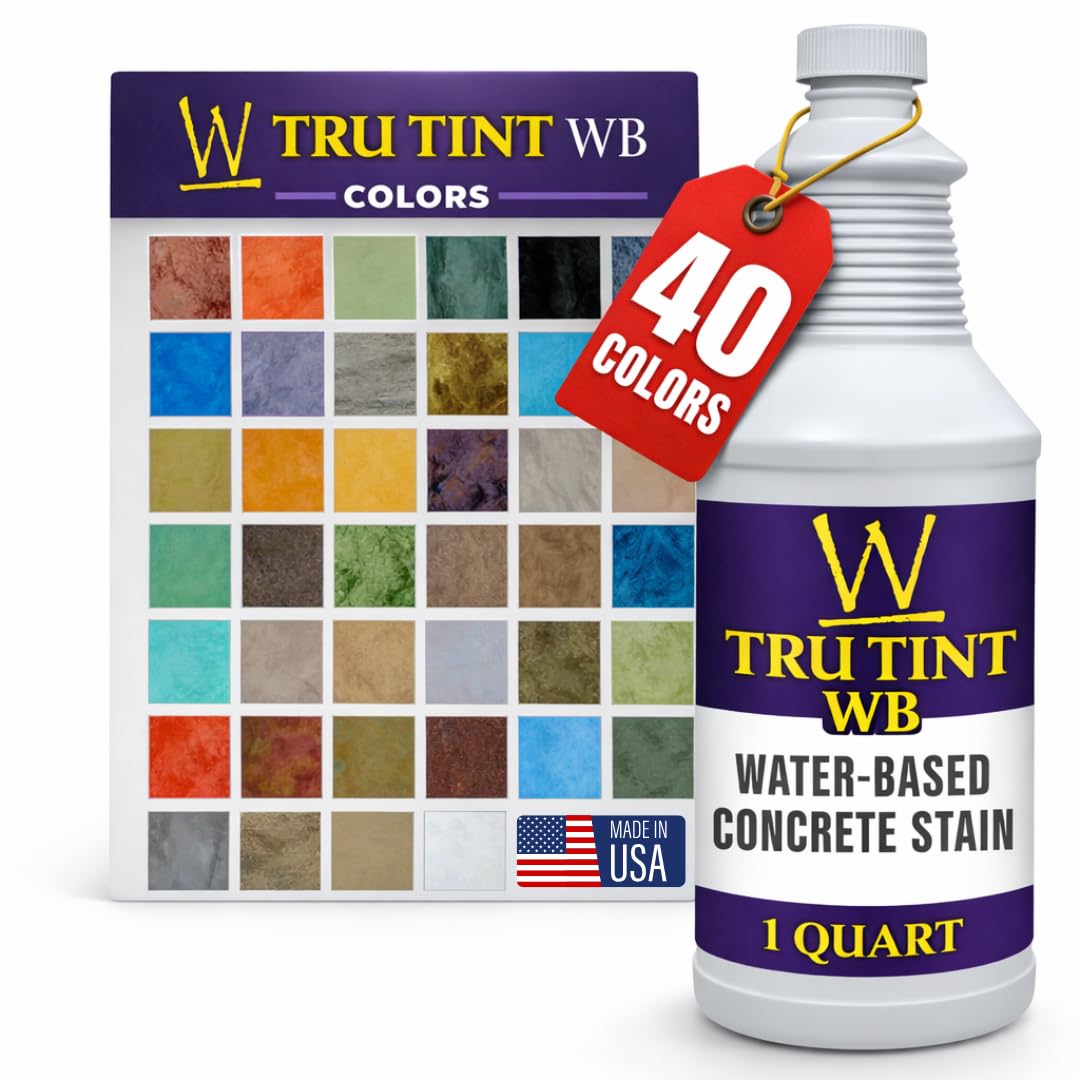
Walttools Tru Tint Storm

84 /100
Kirk Score Excellent
Opacity
Translucent to Semi-Opaque
Coverage
62 sq ft/qt
Stain Type
Water-Based Low VOC
Application
Brush
Check Details on Amazon

Pros

  • Blends accurately to produce custom colors and match existing concrete — 11 mentions, 73% positive — many praise the color accuracy and versatility
  • Works exceptionally on small decorative accents, pavers, and stone walls — 10 mentions, 100% positive
  • Water-thinned application and cleanup are quick, with no harsh fumes — 9 mentions, 89% positive

Cons

Tru Tint Storm puts custom color control in your hands, letting you tweak deep gray-blue tones by dilution or by blending with other Tru Tint shades. Unlike the one-coat hybrid finishes, this water-based concentrate goes on thin and builds color gradually, so you can match an existing stone hue exactly.

The quart size is perfect for small accent work: entryway pavers, decorative stone edging, or stucco patch blending. If you need full-strength storm-gray on anything larger than about 60 square feet, you'll either dilute to a faint wash or need more bottles — it's not a bulk-coverage product.

💡 💡 Tip: Thin up to 4:1 with water for a light wash over larger surfaces, but expect a very subtle tint.

Bottom line: If you're touching up a few stepping stones or need a precise tint for a repair patch, this quart delivers precise color without overspending.

Check Latest Price
#06

Indoor Countertops & Hearths

Americrete Walnut Stain

78 /100
Kirk Score Very Good
Opacity
Semi-Opaque
Coverage
Stain Type
Water-Based Acrylic
Application
Sprayer, Roller, Brush
Check Details on Amazon

Pros

  • Rich walnut color brings depth to sealed concrete countertops and hearths. — 31 mentions, 77% positive
  • Smooth application by spray, roller, or brush without heavy equipment. — 14 mentions, 100% positive

Cons

  • Thin coverage may require multiple heavy coats to hide existing stains or uneven coloring.

This water-based acrylic stain delivers a rich walnut tone on interior concrete when paired with a durable sealer. On exterior or unsealed surfaces, however, adhesion may not hold and the finish can wash off, which limits it to indoor decorative use. It's still a viable choice for sealed countertops, hearths, and fireplaces where it maintains its semi-opaque color.

Bottom line: Best reserved for indoor, sealed surfaces like countertops, hearths, and decorative overlays where its rich walnut hue can be fully preserved.

Check Latest Price

How to Choose

Stain Type

Acid stains contain metallic salts that react with concrete minerals to form a permanent, variegated finish. Because the color is a chemical change, it won't peel—but the exact shade depends on your slab's chemistry, so test patches are mandatory.

Water-based products fall into two camps: penetrating concentrates that soak into porous surfaces and acrylic hybrids that dry as a thin film. The latter are easier to control but require a sealer to bond the color to the concrete; skip sealing and you'll likely see flaking within months.

Coverage Rate and Dilution

A product's listed coverage is not a fixed number—it often assumes dilution. Concentrates that claim 500 sq ft per quart may only deliver that at a 4:1 water ratio, producing a very light tint. For deep, even color on porous concrete, plan for half the stated coverage or less.

On slick or sealed concrete, coverage drops further because the surface won't absorb as much. Always assume you'll need more product for a heavy color saturation, and buy accordingly.

Opacity and Coat Count

A single coat of semi-transparent stain rarely hides old oil spots or discolorations. To get a uniform opaque finish, expect to apply two or even three coats—each one deepens the color while still letting some substrate character through if the product is a true stain. If you want full hide, look for stain/paint hybrids that explicitly reach opaque with two coats, or switch to concrete paint.

Interior vs. Exterior Use

Outdoor concrete stains must withstand UV rays, rain, and temperature swings. Acid stains fare well outdoors because the color is in the concrete, but water-based acrylics can fade or peel unless sealed with a UV-stable topcoat. Indoors, the main concern is odor and VOC off-gassing; zero-VOC concentrates eliminate the smell but may not hold up to sunroom exposure.

Application Method and Surface Prep

Concrete must be clean, dry, and lightly etched before staining. Any dirt, old sealer, or smooth trowel finish will block penetration and cause peeling within weeks. Use a concrete etcher or muriatic acid wash, then rinse thoroughly.

Brush or roller application gives better control on vertical surfaces, while sprayers speed up large floors but demand back-rolling to prevent puddling. Regardless of method, always test on an inconspicuous area first.

Frequently Asked Questions