If you've ever watched a deck stain peel after one winter, you know the frustration of a job that didn't hold up. The hidden culprit is rarely the stain's formula alone — it's more often underlying surface prep, moisture content, or the wrong product for the substrate.
The focus is on practical differentiation: oil-based penetrating stains that feed dry wood fibers versus water-based film-formers that sit on top and clean up easily. Every recommendation is tied to a specific exterior wood scenario — a sun-baked fence, a high-traffic deck, a waterfront dock — so the stain you pick actually matches the exposure it will face.
The right stain and sealer combination can make a deck look new and bead water for seasons, but only when paired with a dedicated cleaning and brightening step. Don't trust the warranty sticker; trust the process that lets the stain bond.
93 /100
Kirk Score Outstanding
- Base
- Oil-based
- Opacity
- Semi-Transparent
- Built-in Sealer
- Yes
- Coverage per Gallon
- 125 sq ft
Check Details on Amazon
Pros
- Sprays on and self-levels with no back-brushing required, forgiving enough for DIY novices.
- Delivers a uniform, high-quality finish that makes aged wood look freshly stained.
- Creates a rich, natural cedar appearance that draws compliments and enhances curb appeal.
Cons
- Cedar tone may fade noticeably in intense sun, potentially requiring annual reapplication to maintain a fresh look.
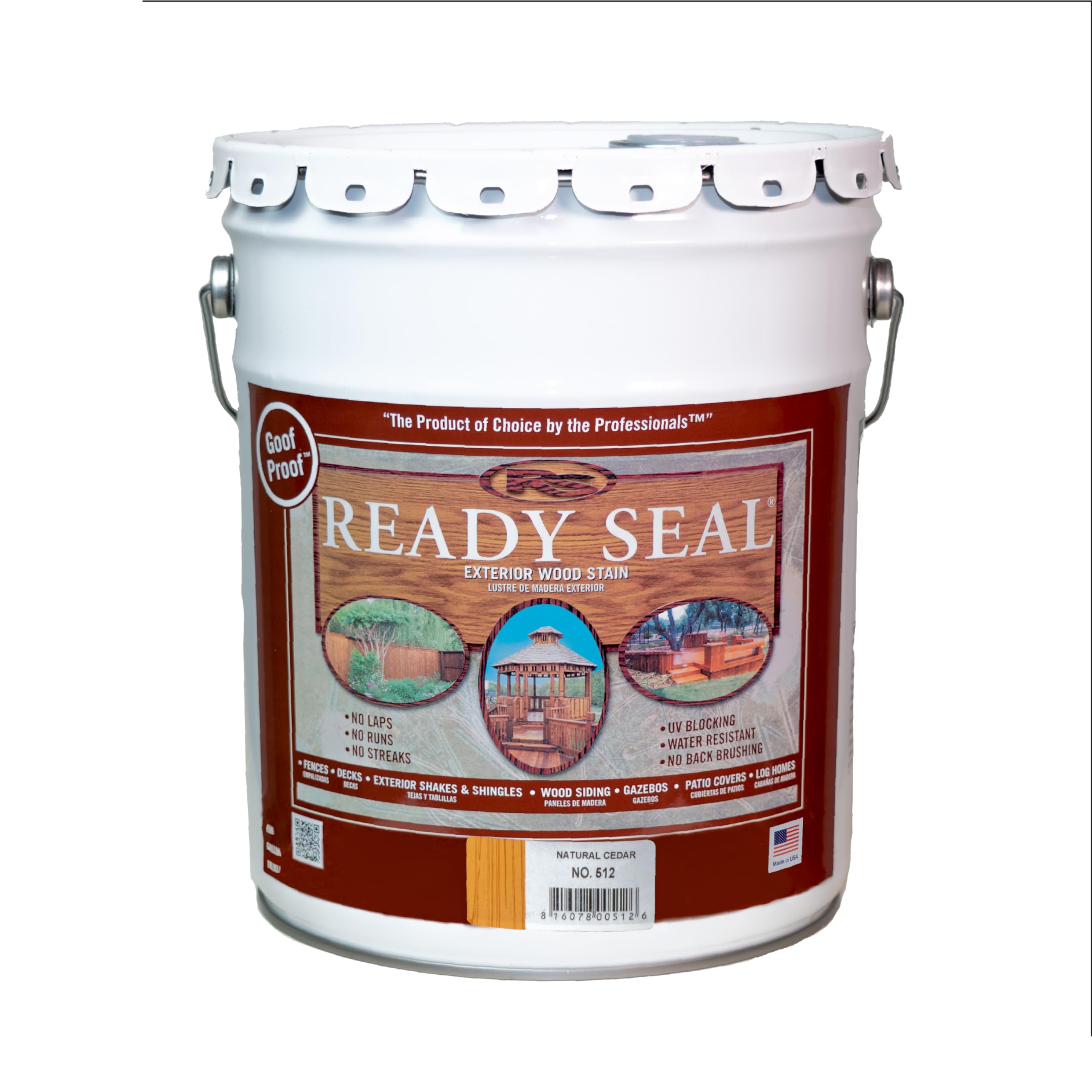
This stain removes the two biggest frustrations of deck refinishing: lap marks and the need to back-brush. The oil-based formula self-levels after spraying, drying to a uniform finish without streaks, even when applied by a first-timer. The natural cedar color gives wood a rich, brand-new look, and the coating effectively beads water to protect against moisture. However, in harsh sun, the color can fade more rapidly than with some solid stains — a tradeoff for the one-coat convenience.
Ideal for homeowners with large decks or fences who prioritize speed and ease over multi-year color retention. Because the cedar tone may lose vibrancy under intense UV exposure, an annual light recoat keeps the appearance fresh — a small chore given the time saved on initial application. The 5-gallon pail is excessive for small touch-up jobs, so this is best when you need to cover significant square footage in one go. If you value a quick, gorgeous transformation and don't mind yearly upkeep, this pail fits the bill.
💡 Tip: Apply a maintenance coat annually to preserve the rich cedar tone, especially on sun-exposed surfaces.
Bottom line: Prioritizing ease and speed over multi-year color retention, this pail delivers a fresh-cedar look with minimal labor; just plan on a yearly light recoat to keep the tone vibrant.
Check Latest Price 92 /100
Kirk Score Outstanding
- Base
- Oil-based
- Opacity
- —
- Built-in Sealer
- Yes
- Coverage per Gallon
- —
Check Details on Amazon
Pros
- Deep, rich jarrah brown transforms weathered wood while keeping grain visible.
- Strong water repellency
- Penetrates dense hardwoods effectively, ideal for exotic species.
Cons
- On horizontal high-traffic surfaces, the finish may wear through within a season.
Cabot Jarrah Brown delivers a deep, transparent finish that transforms dense hardwoods and weathered furniture, and water beads off it consistently. Its 3-way oil penetrates deeply to reveal rich color without obscuring grain. This quart targets accent chairs, entry doors, and planter boxes — not large decks, where the top pick's pail excels. On horizontal high-traffic surfaces, the finish can wear through within a season, so it's best for vertical or low-wear projects and owners committed to annual recoating. The premium per quart pays off on exotic woods; for sprawling coverage, it's uneconomical.
💡 On horizontal surfaces under heavy sun, a thin maintenance coat each spring preserves the rich color and water repellency.
Bottom line: For outdoor furniture, entry doors, and accent pieces made of dense wood, this quart offers a color depth and water-shedding performance that justifies the annual maintenance. Large deck projects should look to the top pick’s goof-proof coverage.
Check Latest Price 91 /100
Kirk Score Outstanding
- Base
- Acrylic/water-based
- Opacity
- Semi-Transparent
- Built-in Sealer
- Yes
- Coverage per Gallon
- 250-300 sq ft
Check Details on Amazon
Pros
- Applies smoothly with minimal drag
- Dries to an even, attractive cedar finish that wears well on vertical wood.
- Water-based formula rinses off tools and overspray, simplifying the job.
Cons
- On decks, flaking can appear after a single winter unless wood is cleaned, brightened, and dried thoroughly before application.
This acrylic stain flows on with a brush or sprayer, settles to a uniform Cedar Naturaltone, and cleans up with water — no mineral spirits needed. The finish looks even on vertical wood without heavy back-brushing, and the low-odor formula makes it comfortable for extended outdoor work.
On fences and siding, the 5-year warranty holds up when wood is prepped properly. On decks, flaking can appear after a single winter without thorough cleaning and brightening. This stain suits budget-minded DIYers who prioritize easy cleanup over maximum deck longevity and are fine with recoating every couple of years.
💡 Tip: For deck applications, clean with a wood brightener, let the surface dry completely, and back-brush the stain into the grain to reduce peeling risk.
Bottom line: It’s a sensible choice for refreshing fences and siding on a budget, where water cleanup and low odor make the work less of a chore — expect to recoat a deck more frequently and prep carefully.
Check Latest Price 88 /100
Kirk Score Excellent
- Base
- Water-based
- Opacity
- Semi-Transparent
- Built-in Sealer
- Yes
- Coverage per Gallon
- 100-150 sq ft
Check Details on Amazon
Pros
- Applies effortlessly with sprayer or roller; water cleanup simplifies the job.
- Rich cedar tone that showcases wood grain and creates a natural hardwood look.
- Zinc nano-particles provide meaningful UV defense, slowing color loss on sun-exposed wood.
Cons
- Stain can peel or wear on horizontal deck surfaces under foot traffic within the first year.
Where the budget acrylic stain-sealer leans on cost, this premium formula deploys zinc nano-particles to shield upright wood from UV damage. Sprays or rolls on with water cleanup, leaving a rich cedar finish that keeps grain visible. Initial water beading is strong, and color holds better on vertical surfaces compared to standard acrylic blends.
Durability shifts sharply with orientation. On fences, siding, and pergolas, the UV-blocking particles help preserve appearance through intense sun. On horizontal decks, foot traffic can cause peeling or wear earlier than expected — this product fits homeowners focused on upright structures and willing to do annual touch-ups in high-exposure spots.
💡 Tip: Reserve this for vertical surfaces only. A light annual touch-up on south-facing siding or pergola beams will maintain both color and water repellency.
Bottom line: For fences, pergolas, and siding where UV rays hit hardest, this stain’s zinc-powered defense preserves cedar tone longer than many alternatives — just keep it off high-traffic deck boards.
Check Latest Price 88 /100
Kirk Score Excellent
- Base
- Oil-based
- Opacity
- Semi-Transparent
- Built-in Sealer
- Yes
- Coverage per Gallon
- 100 sq ft
Check Details on Amazon
Pros
- Attractive, rich cedartone finish that gets compliments.
- Applies nicely with a sprayer and covers evenly.
- Good coverage on both new and weathered wood.
Cons
- Oil formula can remain tacky if applied too thick or in humid weather
Unlike the goof-proof formula that won top honors, this oil-based stain requires a practiced hand — thin, even coats are essential to prevent a tacky finish. The benefit is a deep, natural cedartone that enhances the warmth of cedar and redwood, applying smoothly via sprayer and covering both new and weathered surfaces. It's not a one-coat-and-go product. If you're experienced with oil stains and working in dry weather, you'll get a rich, color-true result. Those in humid climates should plan for extended dry times.
💡 Tip: Apply in low humidity with thin coats and allow extra dry time to avoid tackiness.
Bottom line: A rewarding cedartone finish for the patient, detail-oriented user working with cedar or redwood in favorable conditions; those needing a grab-and-go solution should look elsewhere.
Check Latest Price 87 /100
Kirk Score Excellent
- Base
- Water-based
- Opacity
- Transparent
- Built-in Sealer
- Yes
- Coverage per Gallon
- —
Check Details on Amazon
Pros
- Applies easily by brush or spray; clean-up with soap and water.
- Reliable water beading provides excellent moisture resistance for waterfront wood.
- Water-based, ultra-low VOC composition won't harm fish or aquatic ecosystems.
Cons
- May leave a milky, plastic-like film that darkens wood and hides natural grain.
Unlike the top pick's go-everywhere stain, Seal-Once Marine is purpose-built for structures that face constant moisture or submersion. Its ultra-low VOC formula beads water aggressively on docks, piers, and retaining walls while remaining safe for fish and aquatic ecosystems. The water-based application is simple — brush or spray it on, then clean up with soap and water. The tradeoff is a finish that may leave a subtle milky or plastic-like film, darkening the wood and muting its natural grain. For those maintaining a pond-side deck or a lake dock where water beading and marine safety outweigh a pristine clear-wood look, this is a pragmatic choice.
💡 Tip: Apply thin, even coats on weathered wood to minimize the plastic-like finish; test on a hidden spot first.
Bottom line: For docks, piers, and retaining walls that stay wet, this sealer delivers marine-grade protection and aquatic safety — just expect the wood to darken slightly and lose some of its natural look.
Check Latest Price 88 /100
Kirk Score Excellent
Check Details on Amazon
Pros
- Soap-and-water cleanup simplifies application and tool rinse.
- Low-odor, non-toxic formula keeps indoor work comfortable and safe.
Cons
- On absorbent woods, stain may soak in unevenly and look blotchy.
Water-based, low-odor, and cleans up with soap and water. It refreshes indoor furniture and decorative outdoor pieces with an even warm tone. Coverage is limited to about 32 square feet, and the color can look different from the label; always test on scrap wood. For exterior projects like decks or fences, you'll need a separate clear sealer, because this stain doesn't provide weather protection on its own.
Bottom line: For small-scale refinishing of indoor furniture or decorative outdoor accents that will receive a topcoat, this low-odor stain is a budget-friendly way to get a warm dark oak tone — just don't rely on it for weatherproofing a deck or fence.
Check Latest Price 92 /100
Kirk Score Outstanding
Check Details on Amazon
Pros
- Applies without drips on vertical surfaces, keeping the workspace clean.
- Delivers a rich, smooth finish on wood and fiberglass.
Cons
- Oil-based topcoats may yellow the final mahogany tone; a water-based poly is needed to retain true color.
The gel consistency clings to vertical surfaces without runs, making it neat for door and trim refinishing, and a little covers a surprising amount. It's not intended for broad deck or fence areas, and if you plan to use an oil-based clear topcoat, test first — the mahogany tone can shift toward amber.
Bottom line: For exterior doors, trim, and furniture where vertical application control outweighs large-area coverage, this gel stain delivers a consistent mahogany finish without runs.
Check Latest Price 91 /100
Kirk Score Outstanding
- Base
- Mineral-based powder
- Opacity
- —
- Built-in Sealer
- —
- Coverage per Gallon
- 150 sq ft
Check Details on Amazon
Pros
- Creates a convincing aged gray look without toxic chemicals.
- Simple to mix and apply with a sprayer or brush.
Cons
- Primarily a color treatment, not a strong waterproofer; limited moisture protection compared to film-forming sealers.
This mineral-based powder weathers wood to a silvery gray without harsh chemicals. The finish ages convincingly over time, but provides almost no water repellency — it's a color treatment, not a substitute for a film-forming sealer. Homeowners wanting gray patina on fences and siding, without the need for waterproofing, will find it a low-maintenance, eco-friendly option.
Bottom line: For fence and siding projects where an eco-friendly gray patina matters more than rain protection, this mineral treatment is a smart, low-maintenance choice — just don't expect sealing performance.
Check Latest Price 88 /100
Kirk Score Excellent
- Base
- Water-based
- Opacity
- Semi-Transparent
- Built-in Sealer
- Yes
- Coverage per Gallon
- Up to 400 sq ft
Check Details on Amazon
Pros
- Effective protection with easy application and cleanup.
- Water beads up beautifully after curing.
Cons
- Milky white haze can appear if exposed to rain before fully cured.
Covering up to 400 sq ft per gallon with a 3-year deck warranty, this water-based stain-sealer makes vertical surface refinishing budget-friendly. The finish holds up well on fences and siding, but exposure to rain within 24-48 hours of application can produce a milky white haze, so a clear dry-weather forecast is essential.
Bottom line: Best for budget-minded fence and siding projects where you can schedule application during a stretch of dry weather.
Check Latest Price 89 /100
Kirk Score Excellent
- Base
- Water-based
- Opacity
- Semi-Transparent
- Built-in Sealer
- Yes
- Coverage per Gallon
- 100 sq ft
Check Details on Amazon
Pros
- Rich walnut color revives aged wood with a semi-transparent finish.
- Brushes or sprays on smoothly with minimal streaking.
Cons
- May turn tacky or peel after one season, particularly in regions with freeze-thaw cycles.
The damp-wood application lets you start staining without waiting for perfectly dry wood, and the semi-transparent walnut tone brings life back to weathered decks. Coverage per gallon is tight, so factor in extra for larger surfaces. Expect to recoat every year or two to keep the finish looking fresh.
Bottom line: For quick deck touch-ups where damp wood is a reality, this stain delivers a warm walnut appearance — just plan on yearly recoating.
Check Latest Price 88 /100
Kirk Score Excellent
- Base
- Water-based
- Opacity
- Semi-Transparent
- Built-in Sealer
- Yes
- Coverage per Gallon
- 150-400 sq ft
Check Details on Amazon
Pros
- Rain beads up on treated surfaces, reducing water absorption.
- Smooth coverage across 150-400 sq ft per gallon.
Cons
- Color can appear reddish or mahogany rather than chestnut brown.
Thompson's WaterSeal Semi-Transparent provides solid water repellency and smooth coverage on exterior wood. Rain beads up effectively after application, and the finish leaves a clean, even look. The tint pulls more red/mahogany than the 'Chestnut Brown' label suggests, which can disappoint those matching a true brown aesthetic. For fences and siding where water protection matters more than exact color, it's a cost-effective option. Testing a small area before full application is wise to confirm the hue fits the project.
Bottom line: This stain makes sense for budget-minded projects on fences and siding where water beading matters more than exact brown color — test a small area first.
Check Latest Price 91 /100
Kirk Score Outstanding
- Base
- Water-based
- Opacity
- Transparent
- Built-in Sealer
- Yes
- Coverage per Gallon
- 375 sq ft
Check Details on Amazon
Pros
- Sprayer- or brush-friendly application simplifies large projects.
- Clear water-based formula preserves natural wood tone.
Cons
- Can remain sticky and leave an oily residue on dense or painted surfaces.
It sprays or brushes on easily, beads water, and cleans up with soap and water. The cure, however, is inconsistent, limiting its fit to low-traffic horizontal wood where a tacky surface won't be a problem.
Bottom line: This clear sealer makes sense for fences, siding, or out-of-sight horizontal wood where a tacky surface is tolerable, but it's a gamble for a deck you intend to walk on barefoot shortly after application.
Check Latest Price