// data-verified

9 Best Paint for Cabinets of 2026: Picks That Actually Hold Up to Daily Use

The best paint for cabinets resists chipping and peeling, even without sanding—this guide separates the durable picks from the letdowns.

If you've ever repainted cabinets only to see chips and scratches within weeks, you know the category's dirty little secret: many 'no-prep' paints can't actually handle daily kitchen life. The gap between marketing and lived-in durability is wide, and the wrong choice turns a weekend project into a recurring headache.

The solution isn't more coats—it's matching the paint to how you'll actually use those cabinets. This guide identifies the formulations that resist grease, scrubbing, and bumps, and points out where a little extra prep (or a topcoat) makes the difference between a lasting finish and a quick letdown. Whether you're after a farmhouse matte look or industrial-tough satin, the right product exists—you just need to know what to ask for.

#01

Best Overall Cabinet Paint

INSL-X Cabinet Coat

88 /100
Kirk Score Excellent
Finish
Satin
Paint Type
Urethane-acrylic enamel
Low Odor/VOC
Primer/Sanding
No primer needed
Check Details on Amazon

Pros

  • Tough, industrial-grade film that resists chips, scratches, and household stains under daily use. — 13 mentions, 92% positive (durability)
  • Smooth, factory-like satin finish with minimal brush or roller marks once the application rhythm is found. — 43 mentions, 86% positive (finish)
  • Strong coverage — a gallon handles 350–450 sq ft, making it cost-effective for kitchen-scale projects. — 17 mentions, 82% positive (coverage)

Cons

  • The paint's thicker body can leave brush marks unless you work quickly or thin it by a small amount. — 12 mentions, 33% negative — ‘a bit thick’ and ‘dries too fast to blend’ are noted

The urethane-acrylic enamel chemically cures to a hard, chip-resistant film that scoffs at grease, water, and daily scuffs while keeping its subdued satin sheen. Coverage spreads a gallon across 350–450 square feet, and it grabs onto previously finished cabinets without a bonding primer, eliminating one prep step. The sheen strikes a balance — flat enough to hide minor surface wear, glossy enough to stay crisp. Though the body leans thick, a confident, quick stroke or a small dilution lets the paint level out with near-spray smoothness, even on raised-panel doors.

This is built for full-scale kitchen or bathroom vanity overhauls where durability and a flawless satin finish outweigh the convenience of one-coat promises. DIYers willing to dial in their technique — thinning slightly or working briskly — will pull a professional result that stays fresh for years. Complete beginners may find the viscosity less forgiving, but the gallon’s efficiency and the cured film’s long-term toughness more than justify the learning curve.

💡 💡 Tip: Thin with up to 5% water or an acrylic extender and work in small sections — the slight adjustment transforms the thick body into a near-spray-quality satin finish.

Bottom line: For a full kitchen cabinet overhaul where long-term resilience and coverage per dollar matter more than no-prep shortcuts, INSL-X Cabinet Coat consistently outlasts thinner all-in-one formulations.

Check Latest Price
#02

Best Budget Cabinet Paint

Rust-Oleum Transformations Basics Cabinet & Trim Paint

87 /100
Kirk Score Excellent
Finish
Semi-gloss
Paint Type
Acrylic
Low Odor/VOC
Primer/Sanding
Check Details on Amazon

Pros

  • Bright white finish achieves full coverage in two coats on prepared cabinets. — 39 mentions
  • Adheres well and applies smoothly with brush or roller on deglossed surfaces. — 30 mentions

Cons

  • Extremely fast dry time can cause brush marks and streaking if you don't work quickly. — 26 mentions
  • Without meticulous prep and a topcoat, chipping and peeling can occur on high-touch surfaces. — 22 mentions

Where the top-pick urethane enamel creates a hard, factory-like cure, Rust-Oleum’s Basics formula delivers bright semi-gloss coverage at a fraction of the cost. Unlike the matte chalk finish aimed at vintage transformations, this paint leaves a clean, wipeable sheen that suits modern and transitional cabinets.

It’s best for budget-conscious DIYers refreshing builder-grade bathroom vanities or laundry cabinets, not kitchens that see daily abuse. The paint dries extremely fast, so brush marks are possible if you overwork it — working in small sections and adding a clear topcoat on high-touch areas will help it last.

💡 💡 Tip: Apply a protective clear coat on high-touch surfaces like cabinet fronts to prevent chipping.

Bottom line: If you need a bright, budget-conscious refresh for low-traffic cabinets and understand that speed and technique matter, this paint does the job without breaking the bank.

Check Latest Price
#03

Best Complete Makeover Kit

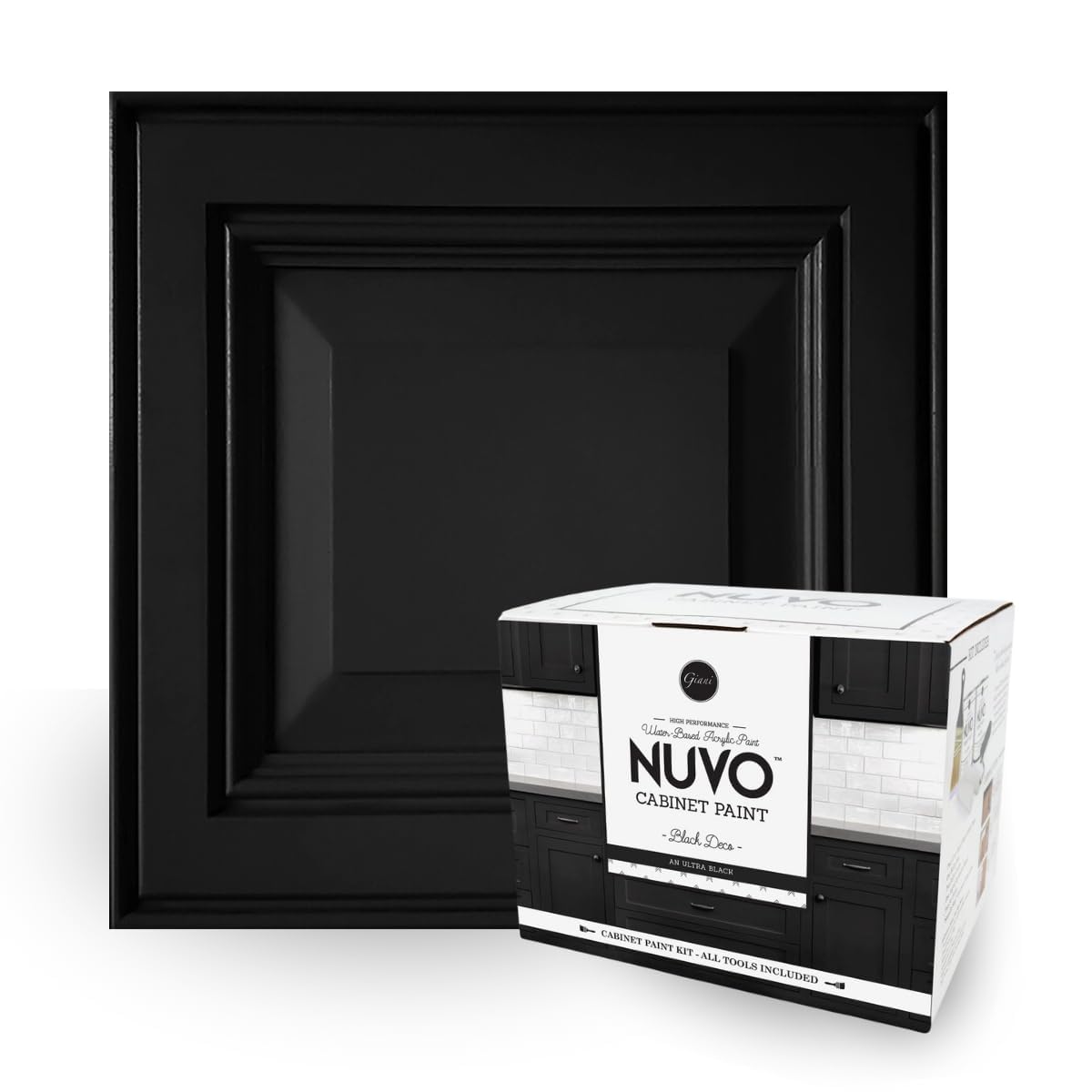
Nuvo Cabinet Makeover Kit

91 /100
Kirk Score Outstanding
Finish
Satin
Paint Type
Acrylic
Low Odor/VOC
Low VOC
Primer/Sanding
No stripping/priming
Check Details on Amazon

Pros

  • Stunning satin finish that makes old cabinets look brand new. — 88 mentions, 98% positive (appearance)
  • Truly easy to apply, even for those with no painting experience. — 65 mentions, 94% positive (ease of use)
  • Kit includes everything needed, simplifying the purchasing process. — 105 mentions, 91% positive (quality)

Cons

  • Paint may chip if cabinets aren't thoroughly sanded and sealed with a topcoat. — 32 mentions, 44% negative

Unlike standalone cabinet paints that require separate tool purchases, this kit supplies two cans and every brush and roller needed for a one-day transformation. The satin finish delivers a factory-like look that revives old cabinets. Prep work remains essential—sanding is not optional if you want the best adhesion. First-timers who want a guided, all-inclusive experience and are willing to add a clear topcoat for extra durability will find this kit removes the guesswork.

💡 💡 Tip: Sand thoroughly and apply a clear topcoat to reduce chipping on high-use cabinets.

Bottom line: If you want the ease of a full kit and are committed to thorough sanding and a topcoat, this kit delivers a satin finish that looks far more expensive than the effort.

Check Latest Price
#04

Best Chalk Finish for a Vintage Look

Rust-Oleum Chalked Paint

93 /100
Kirk Score Outstanding
Finish
Ultra matte
Paint Type
Acrylic chalk paint
Low Odor/VOC
Low odor, low VOC
Primer/Sanding
No primer/sanding
Check Details on Amazon

Pros

  • Very forgiving application glides on effortlessly, ideal for first-time cabinet painters without spray equipment. — 753 mentions, 93% positive
  • Dries to a deep, velvety matte finish that mimics a high-end vintage or shabby-chic appearance. — 779 mentions, 91% positive
  • Quick drying and simple cleanup with soap and water keep the project moving without harsh solvents. — 512 mentions, 76% positive

Cons

  • Covering dark or contrasting cabinet colors can require a second coat — the one-coat promise is optimistic. — 817 mentions, 35% negative

Rust-Oleum Chalked Paint delivers an ultra-matte, no-sand finish that sets it apart from the affordable semi-gloss option in this lineup. While the semi-gloss prioritizes quick, budget-friendly refreshes, this chalk paint is the go-to for achieving a trendy distressed or vintage look on furniture cabinets. DIYers who prioritize effortless application and a striking matte aesthetic will appreciate how forgiving it is. Full opacity usually requires two coats, and the velvety surface is less washable than enamel or satin paint, making it best for low-traffic cabinets like bathroom vanities or living room storage pieces.

💡 💡 Tip: On cabinet fronts that get daily use, a clear matte water-based polyurethane topcoat maintains the chalky appearance while boosting scuff resistance and washability.

Bottom line: For a distressed, matte vintage look on furniture cabinets where easy application matters more than hard-wearing finish, this chalk paint shines — just plan for two coats and consider a clear topcoat on frequently handled doors.

Check Latest Price
#05

Best Multi‑Surface Furniture & Cabinet Paint

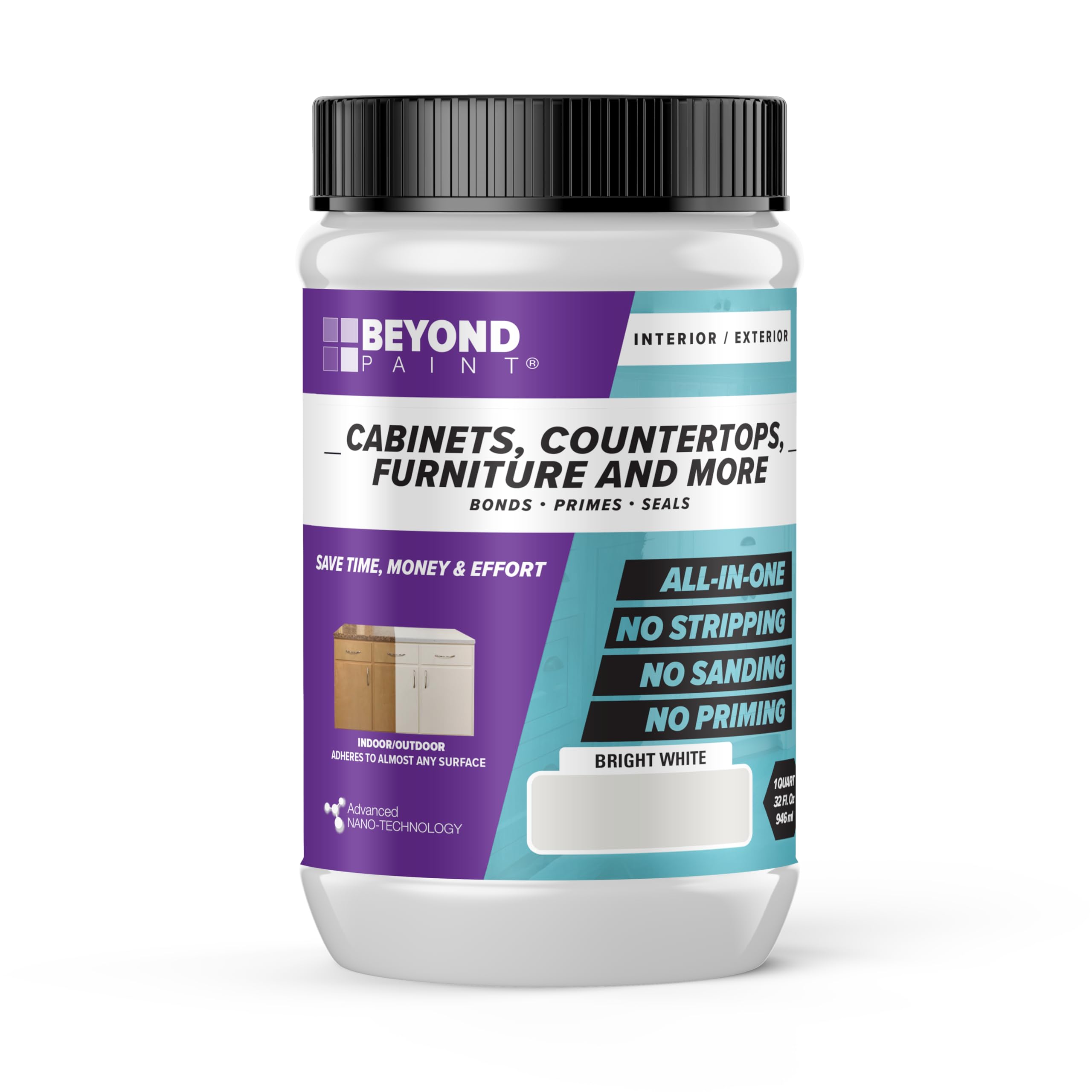
Beyond Paint All-in-One Refinishing Paint – Bright White, Quart

87 /100
Kirk Score Excellent
Finish
Matte
Paint Type
Acrylic
Low Odor/VOC
Primer/Sanding
No stripping/sanding/priming
Check Details on Amazon

Pros

  • Effortless brush or roller application saves time. — 245 mentions, 96% positive (ease of use)
  • Delivers a beautiful matte finish on furniture and cabinets. — 202 mentions, 81% positive (appearance)
  • Fast-drying and self-leveling minimizes roller marks. — 138 mentions, 74% positive (drying time)

Cons

  • Peeling can occur on slick factory cabinet surfaces if you skip sanding. — 143 mentions, 34% negative — numerous reports of peeling and poor bonding unless the surface is scuffed

Beyond Paint All-in-One bonds directly to wood, metal, laminate, fabric, and plastic — a single paint that covers mixed-material furniture without separate primers. Its matte finish dries fast and self-levels, yielding a smooth, professional look with minimal fuss.

It’s built for DIYers refreshing desks, dressers, or accent tables where multiple surfaces meet. On glossy factory cabinets, adhesion relies on a light scuff sanding; skipping that step can lead to peeling. If you’re willing to spend a few minutes on prep, you get a versatile, one-can solution that handles materials most paints won’t touch.

💡 💡 Tip: Lightly scuff any high-gloss factory finish with fine-grit sandpaper before painting — this makes adhesion reliable where the no-prep claim falls short.

Bottom line: A unique multi-surface formula for mixed-material furniture — just budget time for a light sanding on slick cabinet surfaces.

Check Latest Price
#06

Best Low‑Odor All‑in‑One

Heirloom Traditions Paint

89 /100
Kirk Score Excellent
Finish
Velvet sheen
Paint Type
Acrylic all-in-one
Low Odor/VOC
Low odor
Primer/Sanding
No sanding/priming/topcoat
Check Details on Amazon

Pros

  • Applies with a smooth, self-leveling consistency that minimizes brush marks — 1275 mentions, 88% positive
  • Dries to a uniform low-luster velvet finish that suits both modern and vintage cabinets — 616 mentions, 90% positive
  • Fast drying and easy water cleanup keep the project moving without heavy fumes — 414 mentions, 78% positive

Cons

  • On cabinets with daily handling, the finish can wear or peel unless a clear topcoat is added, contrary to the no-topcoat claim — 632 mentions, 34% negative

The paint covers 140 sq ft per quart with minimal fumes, applying with a butter-like consistency that self-levels into a uniform velvet matte. That makes it a forgiving choice for decorative furniture and built-ins where easy water cleanup and low odor matter most. On cabinets that see frequent handling, the no-topcoat promise may fall short — a clear protective layer can prevent the peeling or scratches that the matte surface is prone to without it.

💡 💡 Tip: For cabinet drawers and doors, a water-based polyurethane topcoat over the paint preserves the velvet sheen and prevents early wear.

Bottom line: If low odor and a matte velvet finish are your top priorities for a cabinet refresh, this paint delivers — just plan to add a topcoat on surfaces that see daily use.

Check Latest Price
#07

Quick cosmetic refresh

Nuvo Cabinet Paint (Titanium Infusion) Quart

93 /100
Kirk Score Outstanding
Finish
Satin
Paint Type
Water-based acrylic
Low Odor/VOC
Low odor, low VOC
Primer/Sanding
No priming required
Check Details on Amazon

Pros

  • Applies easily with a roller or brush and levels out to a uniform satin sheen. — 955 mentions, 97% positive
  • Turns outdated cabinets into a smooth, updated focal point in a weekend. — 853 mentions, 92% positive

Cons

  • Paint may chip or scratch on high-touch edges without a protective clear topcoat. — 541 mentions, 57% negative — reports of peeling and chipping within weeks

The self-leveling satin finish gives cabinets a fresh, uniform look without stripping or priming, and it rolls or brushes on easily. Durability under daily kitchen use is not its strong suit — this paint is better matched to a low-traffic guest bathroom vanity or an occasional-use furniture piece. For those settings, it delivers a quick, cost-effective transformation.

Bottom line: For a powder room vanity or a decorative cabinet that sees light handling, this paint’s speed and simplicity offset its modest durability. High-use kitchens demand a more resilient urethane-enamel option.

Check Latest Price
#08

Metallic accents

Shabby Chic Chalk Furniture Paint – Antique Gold (8.5 oz)

89 /100
Kirk Score Excellent
Finish
Metallic
Paint Type
Chalk-based paint
Low Odor/VOC
Low odor
Primer/Sanding
No prime needed on wood
Check Details on Amazon

Pros

  • Rich antique gold with noticeable shimmer that elevates small details. — 270 mentions, 91% positive (appearance)
  • Smooth, forgiving application that requires no priming on wood. — 158 mentions, 93% positive

Cons

Highly pigmented antique gold that dries to a velvety metallic matte — ideal for accenting hardware, trim, or small furniture details. Smooth, no-prime application and decent coverage make it easy to use. But the 8.5 oz container is uneconomical for full cabinet makeovers; it's a specialty accent paint, not a cabinet coating.

Bottom line: For painting cabinet knobs, hinges, or decorative trim with a rich gold shimmer, this small tin delivers; for full cabinet doors and faces, the cost per square foot is impractical.

Check Latest Price
#09

Small furniture starter

DWIL Matte Finish Furniture Paint – White, 16 Oz with Tools

90 /100
Kirk Score Outstanding
Finish
Matte
Paint Type
Water-based acrylic
Low Odor/VOC
Low odor
Primer/Sanding
No sanding, no primer
Check Details on Amazon

Pros

  • Smooth, buttery application looks professional — 55 mentions, 95% positive (application)
  • All-in-one kit removes guesswork for beginners — 63 mentions, 92% positive (ease of use)

Cons

  • 3+ coats may be required for solid hide, stretching project time on larger surfaces — 115 mentions, 30% negative — several users report needing 3+ coats for full opacity

DWIL's all-in-one box bundles a brush, roller, and matte paint with a buttery application that makes small furniture updates feel straightforward. Coverage is limited, however; the 16 oz can spans only about 30-40 sq ft, so it shines on a nightstand or accent chair, not kitchen cabinet banks.

Bottom line: For a first-time DIY furniture flip on a small nightstand or accent piece, this kit removes guesswork and delivers a smooth matte finish. It's not a solution for full cabinet jobs.

Check Latest Price

How to Choose

Paint Type: Acrylic vs. Chalk vs. Urethane Enamel

Acrylic and chalk paints are water-based and easy to apply, but they form a softer film that can scratch or peel under heavy use. Chalk paints in particular sacrifice washability for the matte look.

Urethane-acrylic enamel cures to a harder, more stain-resistant film. It resists grease and repeated cleaning far better, making it the right choice for kitchen cabinets that see daily use.

Finish: Matte, Satin, or Semi-Gloss

Matte hides surface imperfections beautifully but struggles to resist stains and is harder to wipe down. Satin offers a compromise: a subtle sheen that’s easy to clean without highlighting every brush stroke.

Semi-gloss reflects more light and handles scrubbing best, but it will also reveal application flaws. For kitchen cabinets, satin or semi-gloss usually outlast a flat matte.

Coverage: How Much Paint You Really Need

Manufacturer coverage numbers assume ideal, thin coats on smooth, pre-primed surfaces. In the real world, dark or glossy existing finishes demand an extra coat. Plan on buying 20–30% more paint than the can suggests.

Quart-sized products often cover 50–140 sq ft, which is plenty for a bathroom vanity but won't finish a full kitchen. Gallon options, like our top pick, deliver the most cost-effective coverage for larger projects.

The Truth About Sanding and Priming

Even 'no sanding' paints benefit from a light scuff. A quick pass with 220-grit sandpaper creates microscopic grooves that give the new paint a far stronger mechanical bond. Skipping this step is the leading cause of peeling, especially on slick factory finishes.

Primer isn’t always required, but it blocks stains and promotes adhesion. On bare wood or heavily stained surfaces, a dedicated bonding primer prevents tannin bleed and provides a uniform base.

Durability: What Scratch-Resistant Actually Means

A paint labeled 'chip-resistant' in a test lab may still chip at the edge of a cabinet door that gets slammed daily. True durability comes from a combination of hard resin (urethane or enamel), proper cure time, and a clear topcoat on contact points.

If your cabinets face kids, pets, or frequent cooking splatter, pick a paint specifically formulated for cabinets and expect to add a polyurethane topcoat for the best protection.

Dry Time and Recoat Windows

Fast-drying paints speed up a project but leave less time to lay off brush strokes. They demand confident, methodical application in small sections. Slower-drying paints self-level better, producing a smoother finish but requiring more patience between coats.

Always follow the recoat window on the label. Recoating too soon can wrinkle the previous coat; waiting too long often requires light sanding to restore adhesion.

Odor and VOCs: Indoor Safety

Low-VOC, low-odor paints allow you to work indoors without powerful fumes, but they may sacrifice some film hardness. If fumes are a dealbreaker, choose a water-based low-VOC formula and accept that a clear topcoat might be needed for extra durability.

For kitchens that will be in use during the project, low-odor options let family members breathe easier—just ventilate well and allow extra cure time before heavy cleaning.

Frequently Asked Questions