// data-verified

7 Best Exterior Caulk of 2026: Seals That Stay Flexible and Paintable

Finding exterior caulk that won't crack, yellow, or reject paint can be tricky. This guide helps DIYers pick the right sealant for windows, doors, and siding.

Few home improvement tasks feel as straightforward as running a bead of caulk around a window—until the bead cracks after one season or turns yellow under the hot sun. Exterior caulk lives a hard life, constantly flexing with temperature swings and blasted by UV rays, yet too many products on the shelf can't handle the reality. The good news: with the right choice, a permanent, invisible seal is entirely achievable.

This guide cuts through the marketing haze by focusing on what matters most: whether you need to paint over the joint, how wide your gaps are, and how much your house moves. The picks below match specific exterior jobs—trim, siding, windows, and large gaps—to the sealants that have actually proven they can hold up, so you can buy once and forget about re-caulking for years.

#01

Best Overall

DAP Dynaflex 230 Pro Elastomeric Sealant, White

91 /100
Kirk Score Outstanding
Material
Acrylic Latex (Elastomeric)
Application Style
Cartridge, gun required
Rain-Ready & Waterproof
Max Gap Fill & Flexibility
2 in, high flexibility
Check Details on Amazon

Pros

  • Seals joints and gaps for years without cracking, even through freeze-thaw cycles. — 26 mentions, 81% positive (Sealing performance); many confirm no issues after 4 years
  • Elastomeric flexibility follows extreme joint movement without separating. — 8 mentions, 87% positive (Flexibility); praised for 'following the movement'
  • Applies and cleans up easily with soap and water — no solvents needed. — 19 mentions, 84% positive (Ease of use); additional 6 mentions laud easy cleaning
  • Budget price delivers high-end elastomeric performance, making it extremely cost-effective for large projects. — 11 mentions, 82% positive (Value for money); one calls it 'the best for the money'

Cons

  • Texture is slightly tackier than pure silicone, which can make smoothing a bit more effort. — Minor complaints in ease of use and adhesion; some find tooling annoying
  • Only available in white; requires painting or careful matching for colored or clear finishes.

Filling a 2-inch gap without eventually cracking is rare in a caulk at this price. The Dynaflex 230 Pro manages it, and it's ready for paint in just 2 hours — a pace that suits most exterior projects. Its elastomeric formulation stretches and compresses with seasonal movement instead of letting go, which is why it holds up in older homes where joints shift more aggressively.

Long-term sealing performance holds up. It stays watertight for years, with no signs of failure after multiple freeze-thaw cycles. Application is straightforward: the acrylic latex flows smoothly from the tube, and any mess wipes away with soap and water before it sets. The result is a clean bead without solvents or harsh odors.

Where this sealant gives ground is speed. If you need rain- or paint-readiness in under an hour, the faster-drying option in this set is a better match. The Dynaflex 230 Pro prioritizes gap-filling ability and long-term forgiveness over rapid turnaround, which is the right trade for most large-scale exterior work.

It's the ideal pick for homeowners caulking siding, trim, or door frames on older homes that experience substantial seasonal movement. The white-only color and 2-hour paint-ready window mean it's not suited for surfaces where a clear finish or instant weather resistance is essential. Tube freshness can vary — check the consistency before starting, and purchase from a high-turnover source to avoid shelf-aged tubes.

💡 💡 Tip: A dampened finger or a wet smoothing tool helps achieve a clean bead on exterior joints.

Bottom line: If your exterior caulking involves wide gaps and joints that move with the seasons, this is the most capable sealant you'll find near its price.

Check Latest Price
#02

Best for Extreme Movement

Runner-Up

93 /100
Kirk Score Outstanding
Material
Acrylic Latex
Application Style
Cartridge, gun required
Rain-Ready & Waterproof
Max Gap Fill & Flexibility
2 in, 500% stretch
Check Details on Amazon

Pros

  • Stretches up to 500%, absorbing extreme movement without cracking. — 36 mentions, 92% positive (Stretchiness); users say 'stretches a mile' and prevents crack issues.
  • Withstands harsh temperature swings and remains durable across multiple seasons. — 51 mentions, 75% positive (Durability); many report no cracks after multiple seasons.
  • Easy to apply and tool; spreads smoothly for a professional finish. — 61 mentions, 98% positive (Ease of use); praised for being 'very easy to work with'.
  • Crisp white color that stays clean and bright after curing. — 18 mentions, 89% positive (Appearance); looks professional.

Cons

  • Lacks a resealable cap; once opened, the tube must be used quickly or sealed with improvised methods. — Several top reviews mention the lack of a cap as the only downside.

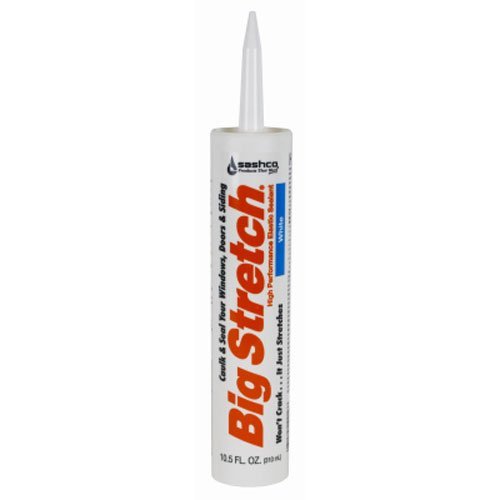
Where the top pick prioritizes speed, the Sashco Big Stretch is built for extreme movement. Its thick acrylic latex compound stretches up to 500% and maintains adhesion across a -30°F to 255°F range—filling gaps as wide as 2 inches without cracking. That elasticity suits old homes and large joints where seasonal expansion and contraction tear lesser caulks.

Application is surprisingly easy for such a heavy-duty sealant. The material spreads smoothly, tooling to a clean finish without tearing, and dries to a crisp white that holds its color well even in direct sun. Seams sealed years ago remain intact through harsh winters and blazing summers—a telling sign for an exterior caulk.

This caulk is made for older homes that shift dramatically with the seasons, filling wide gaps that would crack rigid formulations. The tradeoff is a 5-day cure before painting or rain exposure. If your project can wait that long—replacing trim around a window in dry weather, for example—the result is a permanent, crack-free seal that won't need revisiting.

💡 💡 Tip: If you won’t use the whole tube at once, plug the nozzle with a large nail or twist a wire nut onto the tip to keep the caulk fresh between jobs.

Bottom line: For homes where seasonal movement cracks standard caulk, and you can schedule projects around a 5-day cure, Big Stretch delivers a permanent, flexible seal that holds up for years.

Check Latest Price
#03

Best for Fast Paint-Ready Sealing

DAP Dynaflex Ultra

92 /100
Kirk Score Outstanding
Material
Advanced Latex
Application Style
Cartridge, gun required
Rain-Ready & Waterproof
1 hour rain-ready
Max Gap Fill & Flexibility
0.5 in, moderate flexibility
Check Details on Amazon

Pros

  • Rain- and paint-ready in just one hour for fast project turnaround — Paints easily. Good product.
  • Forms a tough seal that still looks fresh after multiple seasons of weather — Appearance comments note 'looks like fresh application'
  • Flows smoothly from the tube and cleans up with just water — 10 mentions, 100% positive (Ease of use)
  • Strong adhesion on exterior siding and roof panels — 21 mentions, 95% positive (Functionality)

Cons

  • Can sag or run on vertical surfaces before curing, requiring careful tooling — 17 adhesion mentions, 53% negative — requires careful tooling on vertical joints
  • The Light Gray color can appear nearly off-white, risking trim mismatches — 10 color mentions, 40% negative — several users returned it because color did not match expectations

Ready for rain and paint just one hour after application, the DAP Dynaflex Ultra shrinks painting schedules on exterior jobs. Where the top-pick elastomeric sealant needs two hours before painting and has a wider gap fill, this advanced latex targets smaller cracks up to half an inch and puts the brush in your hand sooner. The low-odor, water-cleanup formula speeds the entire process, from application through final coat.

Once cured, the seal forms a tough, durable bead that holds up across seasons. Even after exposure to sun and rain, the bead continues to look like a fresh application. The product extrudes smoothly and wipes away with water before curing, making it forgiving for painters who want a clean line without solvent mess. It grabs well on typical exterior siding and roof panel materials, delivering a reliable waterproof barrier.

Painters who prioritize speed and a painted finish will find this sealant fits tight turnaround work on siding, trim, and roof edges. However, the Light Gray color can appear closer to off-white than a true medium gray, so it may not blend with darker trim or specific color-matched repairs. On vertical surfaces, the uncured sealant can sag or slide before skinning over, meaning bead appearance depends on careful placement and tooling—less of an issue on horizontal laps. For gaps larger than half an inch or joints that need hundreds of percent stretch, the top pick's elastomeric formula is the better match.

💡 💡 Tip: On vertical joints, apply sparingly and tool within a few minutes to prevent sag before the sealant skins over.

Bottom line: It earns a spot in the painter's kit when the schedule demands same-day primer and paint—just stick to horizontal seams or be ready to tool vertical beads aggressively.

Check Latest Price
#04

Best Clear Silicone for Non-Paintable Exterior Sealing

GE All Purpose Silicone Caulk, Clear, 10 oz

92 /100
Kirk Score Outstanding
Material
100% Silicone
Application Style
Cartridge, gun required
Rain-Ready & Waterproof
12 hours rain-ready
Max Gap Fill & Flexibility
0.38 in, flexible
Check Details on Amazon

Pros

  • Creates a watertight seal that keeps moisture out of cracks. — 33 mentions, 85% positive (Water resistance)
  • Durable formula outlasts many competing sealants on exterior surfaces. — 82 mentions, 90% positive (Quality)
  • Flows smoothly from a standard caulk gun and tools easily. — 35 mentions, 88% positive (Ease of use)
  • Good value for a 100% silicone sealant that lasts through seasons. — 34 mentions, 79% positive (Value for money)

Cons

  • Application can be overly sticky, requiring gloves and careful cleanup. — 29 adhesion mentions, 31% negative
  • Tubes can arrive partially hardened, making dispensing difficult. — 36 durability mentions, 14% negative

The top pick handles wide, paintable gaps with an elastomeric formula, but this GE silicone takes the opposite approach: a clear, 100% silicone seal that remains invisible on glass, metal, and tile. It resists yellowing and stays flexible across extreme temperature swings, making it a solid choice where appearance and watertightness matter more than paintability.

This sealant is for DIYers sealing exterior windows, doors, and trim made of glass, metal, or tile where painting is not part of the project. Silicone rejects paint, so any surface that might eventually see a brush will require a different product.

The material flows smoothly from a standard caulk gun and tools with a gloved finger or spatula. Rain-ready in 12 hours means a morning job can handle an afternoon shower, and full cure takes 24 hours. The result is a durable, flexible bead that keeps water out without cracking.

💡 💡 Tip: Keep mineral spirits and a disposable rag nearby; tooling the bead immediately after application reduces the mess.

Bottom line: If your exterior sealing job involves glass, metal, or tile and painting isn't on the roadmap, this GE silicone is a long-lasting choice — just check the tube's condition before you start.

Check Latest Price
#05

Easiest No-Gun Application for Hidden Spots

Flex Caulk Hybrid Sealant

88 /100
Kirk Score Excellent
Material
Hybrid Polymer
Application Style
Built-in trigger, no gun
Rain-Ready & Waterproof
Max Gap Fill & Flexibility
Check Details on Amazon

Pros

  • No caulk gun needed — built-in squeeze trigger makes application nearly effortless — 93 mentions, 88% positive (Ease of use)
  • Provides a decent initial seal for small, quick patches and cracks — 99 functionality mentions, 77% positive — works well initially
  • Hardens in just 10 minutes, letting you handle and tool the bead quickly
  • Paintable hybrid polymer formula accepts most exterior paints for a finished look

Cons

  • Nozzle may clog after the first use, and the built-in applicator can break, rendering leftover sealant unusable — 45 sealing mentions, 53% negative — complaints of 'won't come out' and dried-up nozzle
  • Adhesion can fail over time, peeling away from surfaces within a few weeks — 24 durability mentions, 50% negative; some users report peeling and need for re-application

One-handed, no-gun application makes Flex Caulk Hybrid the quickest patch solution on the shelf. Unlike the top pick’s heavy-duty gap-filling elastomeric, this sealant is built for speed: just squeeze the trigger and go — no caulk gun, no setup. The hybrid polymer formula hardens in 10 minutes and cures fully in 24 hours, then accepts paint.

This sealant earns its keep in hidden exterior joints where the clear formula's vulnerability to UV doesn't matter: under eaves, behind downspouts, around plumbing penetrations. The moment you need a durable, stay-clear seal on visible trim or siding that sees direct sun, this product moves beyond its comfort zone.

The trigger flows smoothly for short beads and the sealant skins over quickly, allowing tooling within minutes. Once cured, the hybrid polymer forms a weatherproof, paintable seal that handles typical thermal movement. The 6.6 oz tube is sized for small repair work; it’s most practical to use the entire cartridge in one session.

Bottom line: For a quick, no-gun dab in a UV-protected corner, this tube is worth grabbing. For anything that faces the sun or must last, choose a more durable elastomeric sealant instead.

Check Latest Price
#06

Small Repairs

GE Advanced Silicone

91 /100
Kirk Score Outstanding
Material
100% Silicone
Application Style
Squeeze tube, no gun
Rain-Ready & Waterproof
30 minutes rain-ready
Max Gap Fill & Flexibility
0.38 in, flexible
Check Details on Amazon

Pros

  • 100% silicone adheres well to glass, wood, and metal frames for a durable exterior seal. — 89 mentions, 84% positive (Functionality); 78 mentions, 91% positive (Quality)
  • No gun required; the squeeze tube makes small jobs quick and mess-free. — 64 mentions, 91% positive (Ease of use); many praise the convenience for small jobs
  • Stops leaks and drafts around windows and doors with a strong, flexible bond. — 22 mentions, 73% positive (Sealing); reviews report stops leaks effectively

Cons

  • 2.8 oz tube limits you to minor touch-ups only, with a high per-ounce cost. — 21 mentions, 43% negative on tube size; many find it 'overpriced' for the amount
  • Tubes may arrive partially cured or dried out, rendering them unusable. — 48 mentions on drying time, 33% negative (includes reviews of receiving rock-solid tubes)

The GE Advanced Silicone squeeze tube simplifies small exterior sealing jobs around windows and doors. The 100% silicone formula grabs quickly, stops drafts and moisture, and stays flexible through seasonal movement without cracking. No caulk gun means less setup and cleanup, just snip the tip and apply directly.

The 2.8 oz size, however, is strictly for a narrow bead or spot fix. At this premium per-ounce cost, you would not want to reseal an entire window frame — that belongs to a full-size cartridge. Tubes may arrive partially cured or dried out, rendering them unusable. For the buyer who needs a grab-and-go tube for a single door threshold or glass-to-frame seal, the mess-free convenience outweighs the tradeoffs.

Bottom line: Best as a cabinet or trunk companion for a single exterior door threshold or window corner leak, as long as you accept the premium per-ounce price and tiny fill.

Check Latest Price
#07

White Silicone Seals

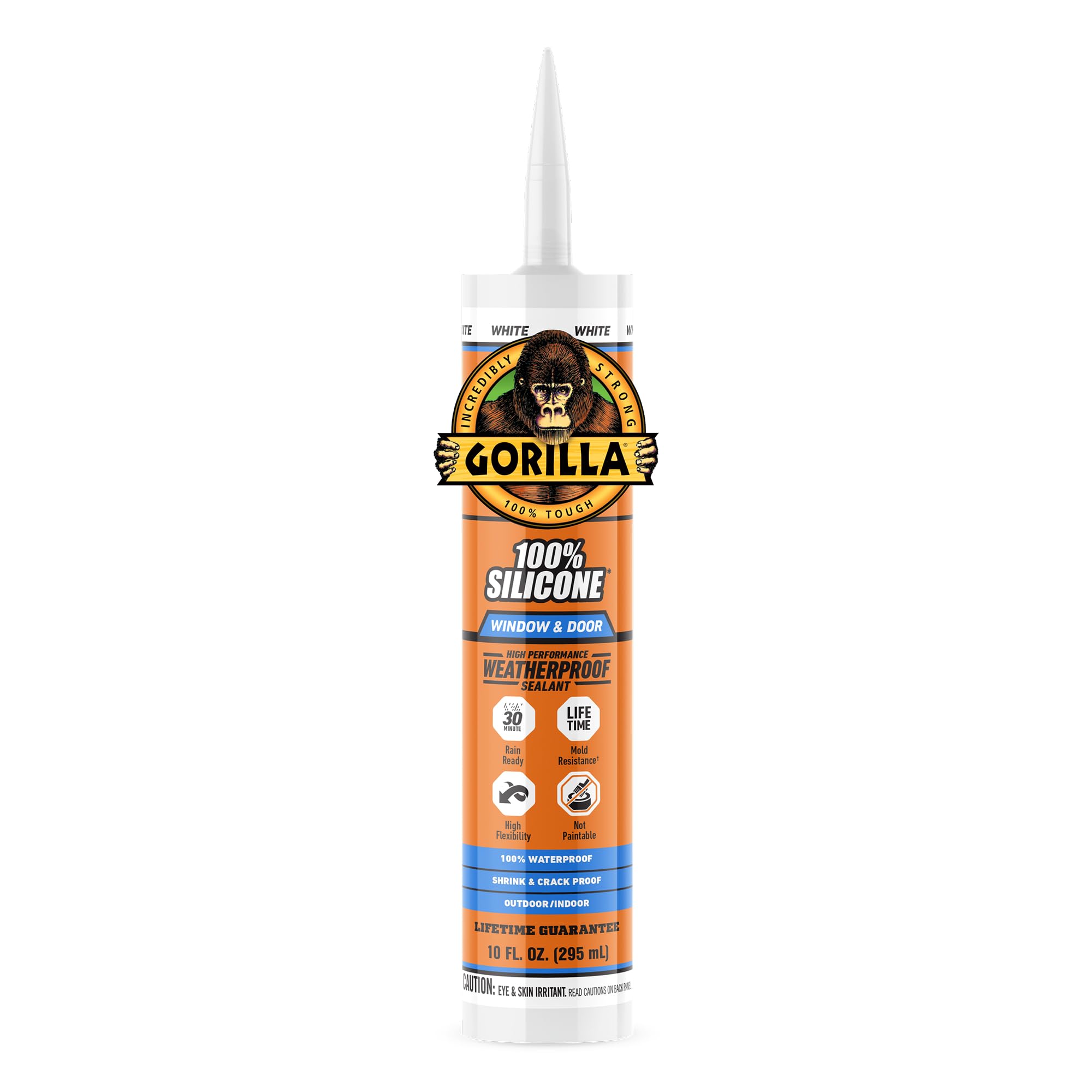
Gorilla Window & Door White Silicone

85 /100
Kirk Score Excellent
Material
100% Silicone
Application Style
Cartridge, gun required
Rain-Ready & Waterproof
30 minutes rain-ready
Max Gap Fill & Flexibility
Check Details on Amazon

Pros

  • 30-minute rain-ready cure prevents washout if weather turns suddenly after sealing. — Rain-ready in 30 minutes per product details
  • Early installer feedback highlights easy tooling, consistent drying times, and effective sealing. — 5 positive mentions apiece for drying time, ease of use, and sealing
  • Lifetime guarantee from a brand known for strong adhesives adds long-term coverage. — Lifetime guarantee stated in product details

Cons

  • Strong vinegar-like odor during application and sticky cleanup; residue can be tough to remove from skin. — One review highlights strong vinegar smell and difficulty washing off

This 100% silicone formula earns its keep on exterior door and window frames where sudden rain can ruin a fresh bead. Early hands-on experience shows it tooling smoothly and curing to a flexible Class 35 seal that moves with the frame. The lifetime guarantee reinforces that the seal is meant to last, but real-world data on how it endures years of UV beating and freeze-thaw cycles simply doesn't exist yet.

The unavoidable tradeoff is the standard silicone experience: a sharp vinegar smell during application, and a residue that stubbornly clings to skin and surrounds if not cleaned immediately. That's part of the deal with any acetoxy-cure silicone, and here it's the price of admission for a white, dedicated window-and-door sealant backed by a no-questions-asked warranty. This is for buyers who want that guarantee and don't need a decade of community track record to feel comfortable.

💡 💡 Tip: Wipe excess immediately with a dry cloth; for skin, mineral spirits or an abrasive hand cleaner lifts uncured silicone far better than soap and water.

Bottom line: This fits the window-and-door sealing project where a white, warranty-backed silicone matters more than a multi-year community track record — and where you're prepared for the inherent mess of acetoxy-cure chemistry.

Check Latest Price

How to Choose

Material: Silicone vs. Latex vs. Hybrid

100% silicone remains flexible for decades and never needs paint itself, but it rejects paint entirely—any attempt to brush over it will result in peeling. That makes silicone the go-to for unpainted metal flashing, glass block, or bare wood where you want a clear or white seal and no topcoat. Acrylic latex and elastomeric sealants accept both latex and oil-based paints after curing, making them the standard choice for painted trim and siding. Hybrid polymers try to split the difference, often promising paintability plus silicone-like flexibility, but real-world UV stability is hit or miss.

Paintability and Cure Time Before Painting

If you need to paint over the bead the same day, look for a fast-cure latex like DAP Dynaflex Ultra, which is paint-ready in 1 hour. Standard elastomerics require 2 hours or more, while slower formulas such as Sashco Big Stretch demand nearly a week before they can accept paint without wrinkling. Rushing this step—painting over tacky or under-cured caulk—causes the film to crack and peel within months.

Gap Fill and Flexibility

The wider the gap, the more movement the sealant must absorb. Standard caulks handle up to 0.5 inches, but for gaps up to 2 inches—common in older homes or between siding and trim—you need an elastomeric formulation that stretches without tearing. An insufficiently flexible caulk will pull away from one surface as temperatures swing, creating a hairline crack that invites water. Check the product's stated elongation capability or maximum gap fill; if your joint exceeds it, switch to a high-stretch option.

Rain-Readiness and Waterproofing

Some silicones set up in 30 minutes and can shrug off a sudden shower, whereas acrylic latexes that are applied late in the day might wash out completely before they skin over. Silicone also maintains its waterproof bond even when submerged or constantly wet, making it superior for gutter seams and sloped flashings. For vertical siding where rain exposure is brief, a latex sealant with a 1–2 hour rain-ready window is acceptable as long as you watch the forecast.

Ease of Application and Cartridge Design

A standard 10 oz cartridge pairs with any caulk gun and allows consistent bead control, but some cheap tubes rupture at the bottom under pressure. Squeeze tubes and built-in trigger dispensers eliminate the need for a gun but trade off precision and are often sized for small touch-ups. The cartridge itself matters as much as the sealant inside; a burst tube wastes product and time, so factor in the dispenser quality when choosing.

Frequently Asked Questions