// data-verified

7 Best Paint Edger of 2026: For Crisp Lines Without Tape

Which paint edgers actually deliver bleed-free edges on smooth or textured walls, so you can skip the tape and still get crisp lines.

The appeal of a paint edger is obvious—no tedious masking tape, just a quick swipe along the ceiling or baseboard. But many first-time users discover that without tape, cheap shields and pad edgers often bleed, leaving smudged lines and frustration. That gap between marketing and real-world performance is what separates a usable edging tool from a headache.

The good news is that sharp, professional-looking cut-in lines are achievable without tape, as long as you match the tool to your specific surface. Smooth drywall responds well to a rigid metal shield, while any texture—even a light knockdown—demands a high-quality trim brush that won't wick paint under a gap. Foam pad edgers can speed up long straight runs, but they're messy on corners and difficult to clean for reuse.

This guide cuts through the hype by showing which edgers actually work in different scenarios, so you can stop fixing bleed-through and start enjoying a crisp, clean paint job.

#01

Best Overall

ROLLINGDOG Trim Brush Set

93 /100
Kirk Score Outstanding
Versatility
Triangular & square heads
Blade/Pad Material
Solid Round Tapered filament
Check Details on Amazon

Pros

  • Exceptional precision for cutting in corners, baseboards, and detailed molding. — 44 detail work mentions, 100% positive
  • High-quality construction and materials hold up to repeated use and cleaning. — 58 quality mentions, 95% positive
  • Leaves a smooth, professional finish with minimal brush strokes. — 14 smoothness mentions, 100% positive

Cons

  • Soft bristles may struggle to load and drag thick, unthinned paints — best suited for standard water-based trim enamels. — 15 bristle softness mentions, 20% negative — softness may not suit all applications

The triangular head reaches into corners that leave standard flat brushes guessing, while the square head holds a clean edge along baseboards and window casings. Together, they produce zero-bleed cut-in lines that rival the crispness of fresh tape, without the application time.

The solid round tapered filaments lay down paint smoothly, leaving a glass-like finish with almost no brush strokes. Ergonomic rubber grips reduce hand fatigue during long trim sessions, and the bristles hold their shape through multiple cleanings. The bristles release paint evenly, so you get full coverage without overloading.

Bristle softness gives the smooth finish, but it also means these brushes load less paint per dip than stiffer boar-bristle alternatives — fine for water-based enamels and trim paint, less ideal for heavy-bodied gels or unthinned latex dragged across textured surfaces. The result is a consistent, almost factory-finish line that demands no tape cleanup. While the softness takes a moment to adjust to, the control it offers on detailed profiles like raised panel doors is worth the learning curve.

This set suits detail-focused DIYers and pros cutting in around crown molding, baseboards, and paneled doors. For cabinets, wainscoting, and window mullions, the small angled heads let you paint only the surface you intend — no bleed, no touch-ups. If your project demands speed over precision — like unbroken ceiling lines across a large room — a shield-style edger will be faster. The soft bristles also mean you should avoid extremely thick, unthinned paints, though any standard latex or trim enamel flows without issue.

💡 💡 Tip: For heavy-bodied paints, pre-wet the brush and use a lighter loading technique to maintain control without blobbing.

Bottom line: When a paint job is judged by the sharpness of its cut-in lines, the unique head shapes and smooth coverage of this set make it the one to reach for.

Check Latest Price
#02

Best Metal-Edge Shield

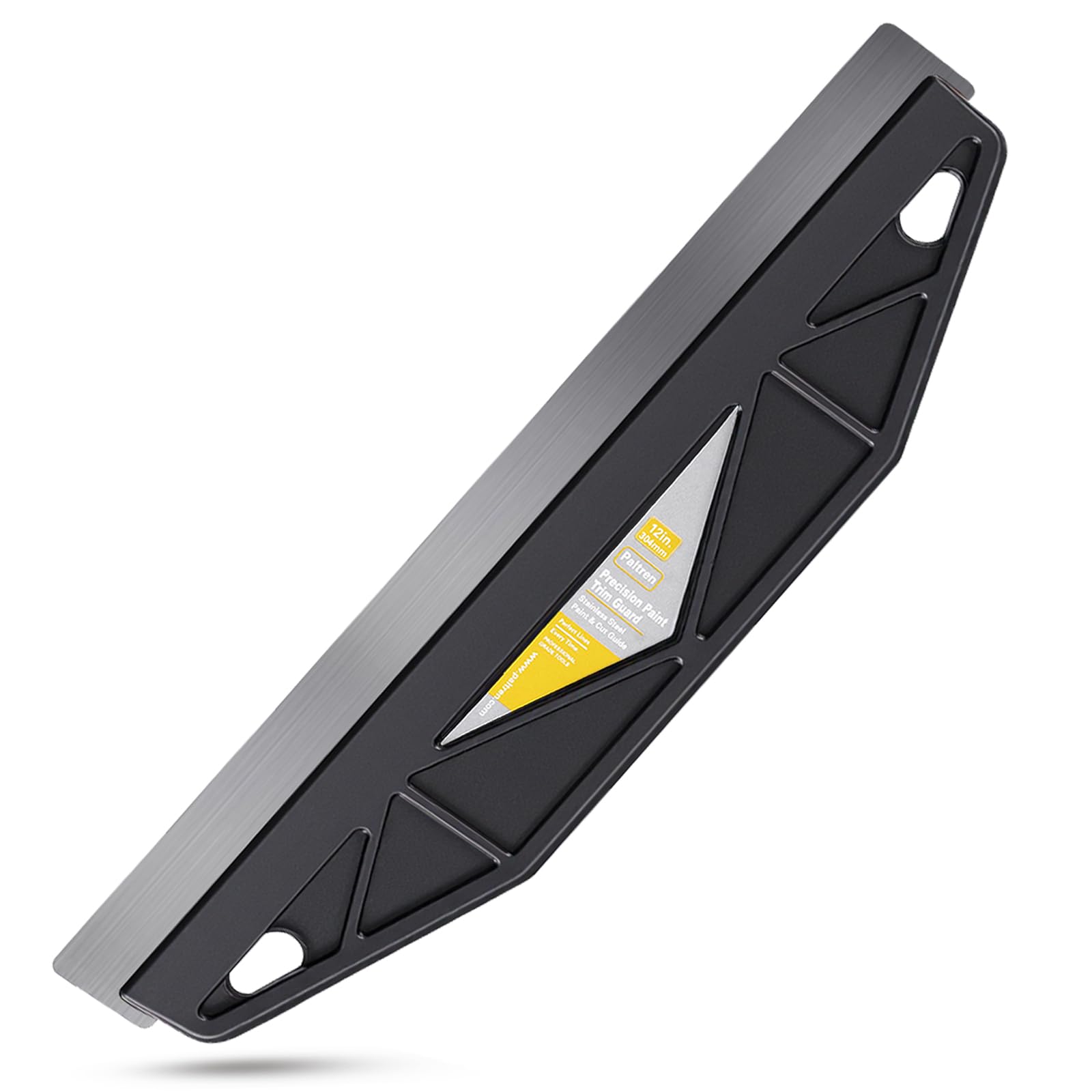
Paltren 12-inch Paint Shield

83 /100
Kirk Score Excellent
Versatility
12-inch straight blade
Blade/Pad Material
Stainless steel
Check Details on Amazon

Pros

  • Simple enough for first-time painters — only a steady hand required. — 8 mentions, 100% positive
  • Stainless steel blade resists warping and wipes clean without residue. — 5 mentions, 100% positive
  • A budget-friendly alternative to disposable plastic shields or tape. — 5 mentions, 100% positive

Cons

Unlike plastic paint shields that can warp after a few uses, the Paltren's stainless steel blade holds its shape and wipes clean without residue. The 12-inch length covers baseboards and ceiling lines efficiently, making it a practical swap for masking tape on long, flat stretches. It can't match the bleed-proof accuracy of a well-made trim brush, but on dead-smooth walls, it speeds up the cut-in process.

This shield suits budget-conscious DIYers painting smooth drywall or flat trim who want a reusable, quick-clean tool. On textured walls, paint will seep under the guard and require touch-ups. A light hand avoids blade flex; too much pressure can cause wavy lines on uneven surfaces. For corners and detailed trim, a brush delivers more control.

Bottom line: If your walls are smooth and you prize a reusable tool that cleans up in seconds, this shield is a practical tape alternative for long straight runs. For any other surface or detailed trim, a precision brush yields cleaner results.

Check Latest Price
#03

Most Popular Shield

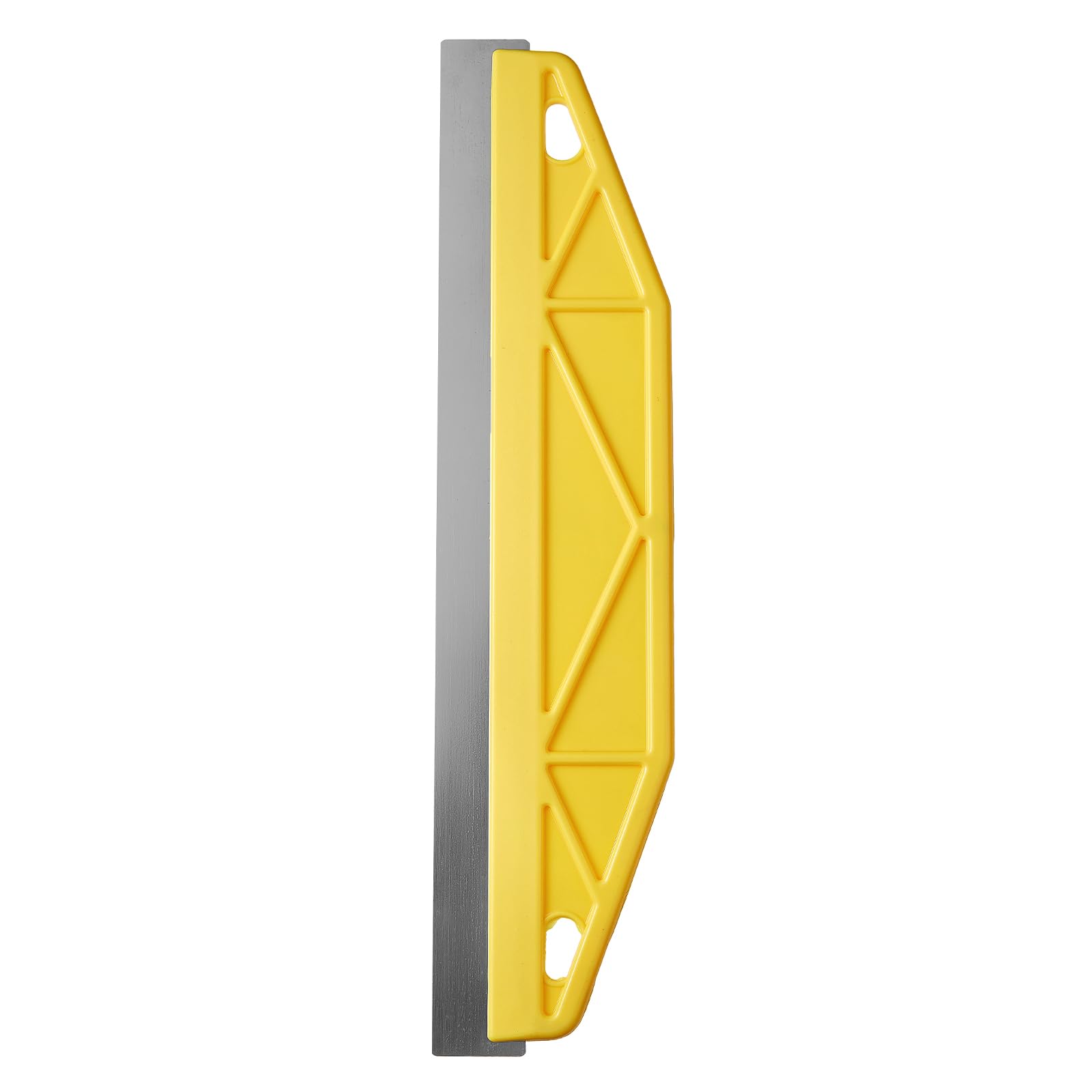
Qyueyue 12-Inch Paint Shield

85 /100
Kirk Score Excellent
Versatility
12-inch straight blade
Blade/Pad Material
Metal blade
Check Details on Amazon

Pros

  • Metal blade resists flex under moderate pressure, helping maintain a clean line on smooth drywall. — 7 sturdiness mentions, 86% positive
  • 12-inch length speeds up ceiling-to-wall edging compared to short shields or a brush alone. — 13 functionality mentions, 85% positive
  • Budget-friendly cost makes it a low-risk addition for occasional painting projects. — 7 value mentions, 86% positive

Cons

  • Paint can creep beneath the blade on textured surfaces like orange-peel or knockdown, leaving an uneven edge. — 8 mentions, 75% negative
  • Demands steady, consistent downward pressure; letting up for a moment may cause a smudge or bleed.

The 12-inch metal blade holds its shape under moderate pressure, covering ceiling lines and baseboard runs faster than a detail brush. Because you aren't reloading paint, long straight sections feel noticeably quicker. The plastic handle stays comfortable through a full room, and the bright color makes the shield easy to spot on a drop cloth.

Flat, smooth drywall is where this shield earns its keep. On orange-peel or knockdown texture, paint can seep underneath even with firm pressure, leaving a ragged line that needs brush correction. For a quick refresh of a rental or a kid's room where a few touch-ups won't ruin the job, the speed trade-off makes sense. If your walls have any texture, plan to follow with a small brush for the final inch.

💡 💡 Tip: Test the shield on a small, inconspicuous section first. If paint seeps under the blade on your wall texture, switch to a brush for that surface.

Bottom line: If your walls are smooth and you prioritize speed over absolute precision, this shield saves time on long runs — keep a brush on hand for corners and any stray bleed.

Check Latest Price
#04

Best Budget Trim Brush

Bates 0.75-inch Trim Brush

93 /100
Kirk Score Outstanding
Versatility
0.75-inch trim brush
Blade/Pad Material
Flagged synthetic bristle
Check Details on Amazon

Pros

  • Creates sharp, bleed-free cut-in lines on textured walls that foil pad edgers — 153 trim performance mentions, 98% positive
  • Thin, lightweight handle and flexible bristles make detailed edge work comfortable — 63 ease of use mentions, 94% positive
  • Ultra-low price makes it cost-effective for a single project or occasional touch-ups — 51 value mentions, 90% positive

Cons

  • Handle may snap during cleaning or under heavy pressure — treat it as a disposable brush — 59 durability mentions, 73% negative — handle breakage is a recurring defect

For precise cut-in lines without masking tape, this tiny trim brush outpaces pad edgers on anything but dead-flat walls. Its flagged synthetic bristles get into corners cleanly, leaving sharp edges that shield tools struggle to match on standard textured surfaces. The thin handle and light weight make long edging sessions less tiring, and the small head flicks paint into tight spaces without smudging. At a budget-friendly price, it’s a throwaway tool designed for one project rather than a long-term workhorse.

It suits quick single-room touch-ups or accent edges where you need surgical precision and don’t want to invest in a premium brush system. The plastic handle may snap during cleaning — treat it as semi-disposable. If you plan to paint multiple rooms or scrub brushes hard after each use, the top pick’s reinforced handles are a more durable investment.

Bottom line: Sharp cut-in lines for pocket change — just consider this a single-project brush due to the fragile handle.

Check Latest Price
#05

Classic Pad Edger for Beginners

Shur-Line Classic Edger

81 /100
Kirk Score Excellent
Versatility
Pad with guide wheels
Blade/Pad Material
Foam pad
Check Details on Amazon

Pros

  • Delivers clean edges along ceilings and baseboards, especially on smooth walls. — 8 effectiveness mentions, 100% positive
  • Beginner-friendly design requires no masking tape for straight runs. — 5 ease of use mentions, 100% positive
  • Guide wheels keep the pad aligned, reducing wobble and overshoot.

Cons

  • Pad wears out and requires replacement (refill pads sold separately), a recurring cost.
  • Not suitable for corners, intricate trim, or any edge that isn't a continuous straight line.

Where a precision brush set delivers zero-bleed corners, the Shur-Line Classic Edger is designed for speed along straight runs. Its 5' x 3' pad covers more wall than a brush tip, and the two guide wheels keep the tool steady against baseboards and ceilings. No masking tape or advanced skill required — just load the pad and glide.

This edger is a practical choice for first-time painters tackling smooth, flat walls. It handles long ceiling and baseboard edges efficiently, but it cannot navigate corners or detailed trim. The pad wears down with use and must be replaced (refill pads are sold separately), so it is a recurring expense. At a budget-friendly price, it's a low-risk addition to a painting kit.

Bottom line: For long, straight edges on flat walls, the Shur-Line Classic Edger gets the job done without fuss — just keep a trim brush handy for corners.

Check Latest Price
#06

Smooth-wall shield

Black+Decker 12" Shield

82 /100
Kirk Score Excellent
Versatility
12-inch straight shield
Blade/Pad Material
Plastic
Check Details on Amazon

Pros

  • Speeds up long straight edges on smooth walls without taping. — 17 versatility mentions, 100% positive
  • Wipes clean in seconds, ready for the next color or touch-up. — 6 ease of cleaning mentions, 100% positive

Cons

  • Paint seeps under the shield on anything but dead-flat walls, requiring touch-ups. — 12 leakage mentions, 75% negative — bleed-through is frequent

The Black+Decker 12-inch shield moves quickly along baseboards and ceiling edges without the need for masking tape. Its glossy surface rinses clean in seconds. It is best suited to smooth, flat drywall where minor touch-ups are acceptable; treat it as a disposable guard for one-off rooms rather than a precision cutting-in tool.

Bottom line: If your project involves smooth, flat drywall and you need a quick, one-time edging helper, this plastic shield can save a bit of taping time. For any texture or precision lines, choose a brush instead.

Check Latest Price
#07

Large project kit

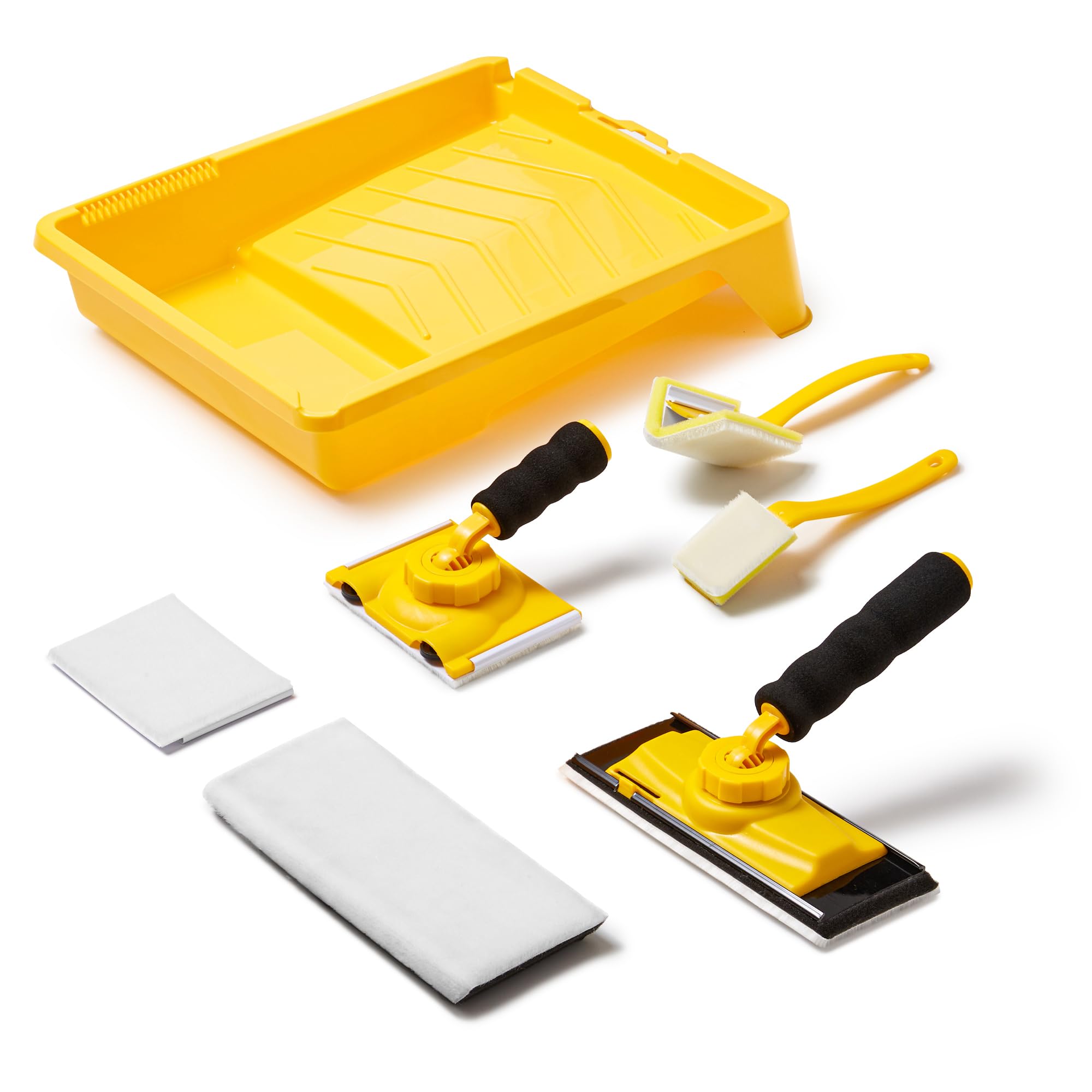
VOOMEY 7-Piece Paint Edger Tool Kit

80 /100
Kirk Score Excellent
Versatility
9-inch pad, corner, trim pads
Blade/Pad Material
Fabric/foam pad
Check Details on Amazon

Pros

  • Includes multiple pad shapes for corners, trim, and long ceiling edges. — Kit provides corner pad, touch-up pad, and 9-inch pad.
  • Simple to operate for covering straight ceiling and baseboard runs. — Ease of use noted across multiple buyer experiences.

Cons

  • Foam pads absorb excess paint, causing drips and imprecise edges. — Paint absorption issue reported in buyer feedback.
  • Plastic joints and handle attachments can crack under typical pressure during use. — Durability concerns with plastic components noted.

The three included pads — a 9-inch for long ceiling runs, a corner shape for tight angles, and a mini trim pad — cover a range of cut-in tasks without tape. The foam pads soak up excess paint, however, which can lead to drips and blurry lines rather than crisp edges. Plastic handle attachment points may develop cracks under normal use, limiting this kit to one redecorating push, not repeated jobs. DIYers tackling a single room on smooth walls and willing to manage pad saturation will find the multi-shape convenience useful; anyone needing a durable, repeatable edging solution should look to the top-pick brush set instead.

Bottom line: For a one-time project on flat walls where multiple edge profiles are needed, this kit offers a tape-free shortcut — just expect to manage paint absorption and handle fragility.

Check Latest Price

How to Choose

Material & Rigidity

A stainless steel blade remains flat against the wall better than plastic shields that can warp over time. Brush bristles, on the other hand, flex to follow minor surface irregularities, making them more forgiving on less-than-perfect drywall.

Bleed Resistance

Paint bleed occurs when a shield can't form a continuous seal against the surface. On smooth drywall, a rigid metal shield works well, but any orange-peel or knockdown texture creates tiny channels for paint to travel. This is why brushes consistently outperform shields on textured walls—bristles apply paint solely where you aim, nothing seeps underneath.

Handle Comfort & Durability

A trim brush with a hollow plastic handle might snap if you apply pressure during cleaning. Look for solid or overmolded handles, or treat lightweight trims as semi-disposable tools.

For shields, a comfortable, ergonomic grip reduces hand fatigue during long ceiling runs. One-piece designs hold up better than multi-part handles that can loosen or crack.

Ease of Cleaning & Reuse

Metal shields wipe down instantly with a damp cloth, whereas foam pads absorb paint deep into the material and can tear if scrubbed aggressively. Brushes clean up with soap and water but require thorough rinsing to keep bristles from stiffening. If you want a tool that lasts multiple rooms, a metal shield or brush beats a disposable pad.

Versatility

A 12-inch shield is fast for ceiling-wall junctions but useless around door trim or window corners. Pad edgers with guide wheels are similarly one-note. A detail brush set with both a square and triangular head handles every angle—from baseboards to intricate crown molding—without switching tools.

Frequently Asked Questions