Best Overall

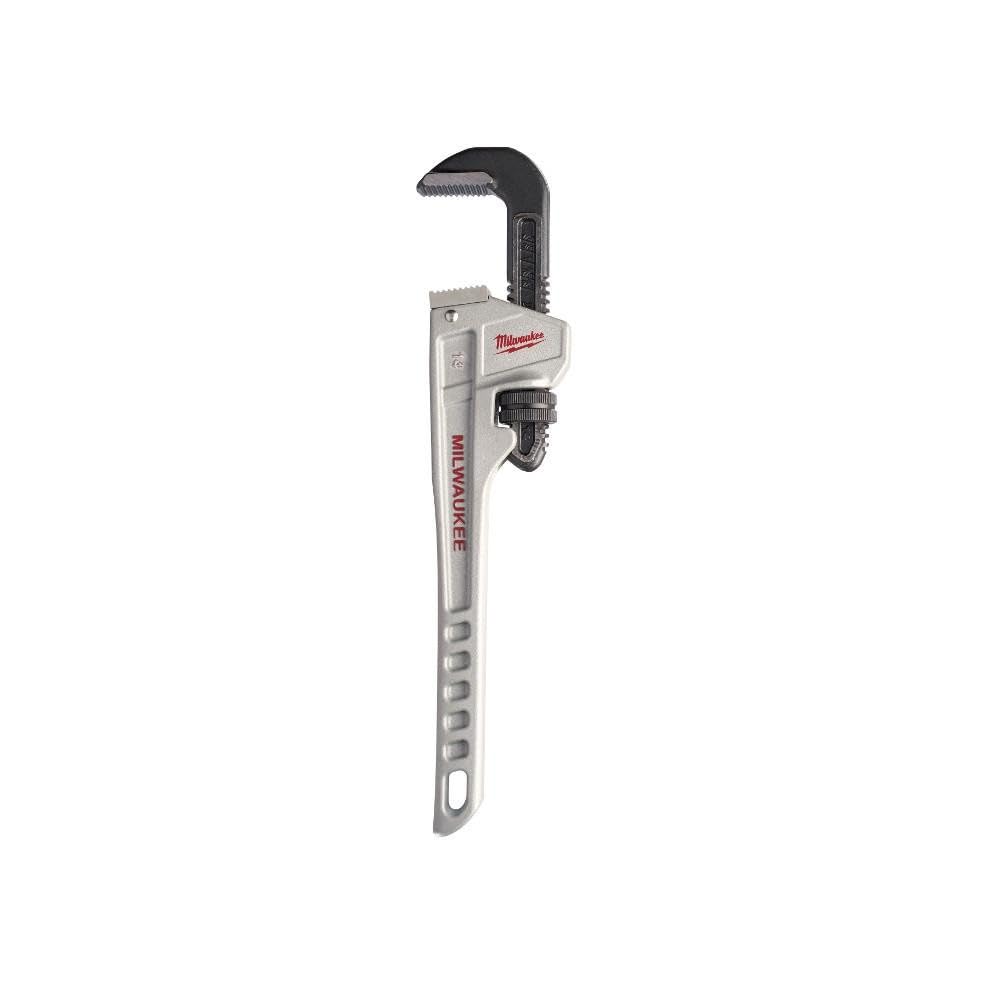
RIDGID 818 18" Pipe Wrench
- Weight
- 3.8 lbs
- Material
- Aluminum
- Grip Style
- Aggressive toothed
- Wrench Type
- Straight
Pros
- Slashes nearly 40% off a cast-iron wrench's weight, cutting arm fatigue on long jobs
- Delivers decades of uninterrupted daily use without jaw slop or housing cracks
- Aluminum body resists rust indefinitely, surviving wet job sites and harsh chemicals
Cons
- Premium aluminum build costs notably more than cast-iron wrenches of the same size
At 3.8 pounds, the Ridgid 818 cuts nearly 40% off the weight of a cast-iron 18-inch wrench, yet its hardened steel teeth bite into black iron and galvanized pipe as aggressively as any heavyweight stillson. The forged aluminum body shrugs off corrosion and warping under daily jobsite abuse — the same internal standard as Ridgid’s legendary steel wrenches, so it handles full torque without deforming. The hook jaw’s precision-ground tooth profile grabs on first contact and won’t round off heavily corroded fittings. A full-length knurled nut stays easy to spin even with wet gloves, and the jaw adjusts smoothly without binding.
Professional plumbers get the biggest payoff: the 40% weight savings keep arms fresh through back-to-back calls, especially wrestling pipe overhead or in tight cabinets. Serious DIYers who tackle black-iron gas lines or large water supply work also gain a lifetime tool. The premium aluminum build costs more than cast-iron models; occasional sink trap or shower arm work won’t justify that premium. For anything under 3/4-inch, a compact 6-inch wrench is more maneuverable.
Bottom line: The lightweight aluminum build and legendary durability fully justify the higher upfront cost for anyone who turns pipe daily.
Check Latest Price