// data-verified

7 Best Primer for Aluminum in 2026: Long-Term Paint Adhesion You Can Trust

The right primer stops paint from peeling off aluminum boats, furniture, and trim. Find which formulas actually bond to non-ferrous metal.

You sanded, cleaned, and applied a metal primer to your aluminum door frame. Within weeks, the paint is flaking off in sheets. The problem is not your prep — it's the chemistry. Bare aluminum forms an oxide layer that repels standard primers; without an etching or aluminum-specific bond, the paint simply lets go.

The primer aisle is full of 'metal' formulas that are terrific on steel but never tested on non-ferrous surfaces. The only way to get paint to stick is to use a product that chemically etches the aluminum or one that explicitly lists aluminum compatibility. This guide cuts through the label confusion to reveal which handful of spray and liquid primers actually deliver long-term adhesion on boats, trim, auto panels, and outdoor furniture.

#01

Best Overall

Rust-Oleum Professional Aluminum Primer Spray

92 /100
Kirk Score Outstanding
Coverage
14 sq ft
Spray vs Liquid
Spray
Aluminum Compatibility
Aluminum-specific
Rust/Corrosion Protection
Check Details on Amazon

Pros

  • Bonds to bare aluminum without a separate etching step — a rare trait among metal primers. — 28 performance mentions, 96% positive, and multiple aluminum boat success stories
  • Generous 15‑oz can and good coverage; outdoor durability holds up through seasons. — 20 coverage mentions, 85% positive; 15-month durability reported
  • Flat white base reveals any missed spots and works under most topcoat colors.

Cons

  • Nozzle spattering can happen — keeping the tip wiped between passes helps limit mess. — 6 spray performance mentions, 50% negative — sporadic spray problems

Rust-Oleum Professional Aluminum Primer is the only spray primer purpose‑built for bare aluminum, leaving behind the usual etching requirement. It grabs aluminum surfaces to form a base that topcoats can hold onto through seasons. Real‑world reports from boat restorations and outdoor furniture repaints show solid adhesion through weather changes without peeling. Coverage from a single 15‑ounce can fills a decent area, and the flat white finish makes it simple to spot thin spots before topcoating.

For anyone repainting an aluminum boat, patio furniture, or trim, this is the no‑etch, no‑fuss primer that works right out of the can. If your job needs a self‑etching chemical bite or a clear base, look to the dark green etching primer in this set. On occasion, a can may sputter during spraying, but the primer formula itself remains forgiving. It is the safe first choice for first‑time aluminum painters and everyday outdoor metal.

💡 💡 Tip: Apply in temperatures above 50°F so the primer cures fully and locks in adhesion.

Bottom line: The dedicated aluminum formula sidesteps etching and sticks. When you want a primer as straightforward as the metal it covers, this one delivers.

Check Latest Price
#02

Best Self‑Etching Formula

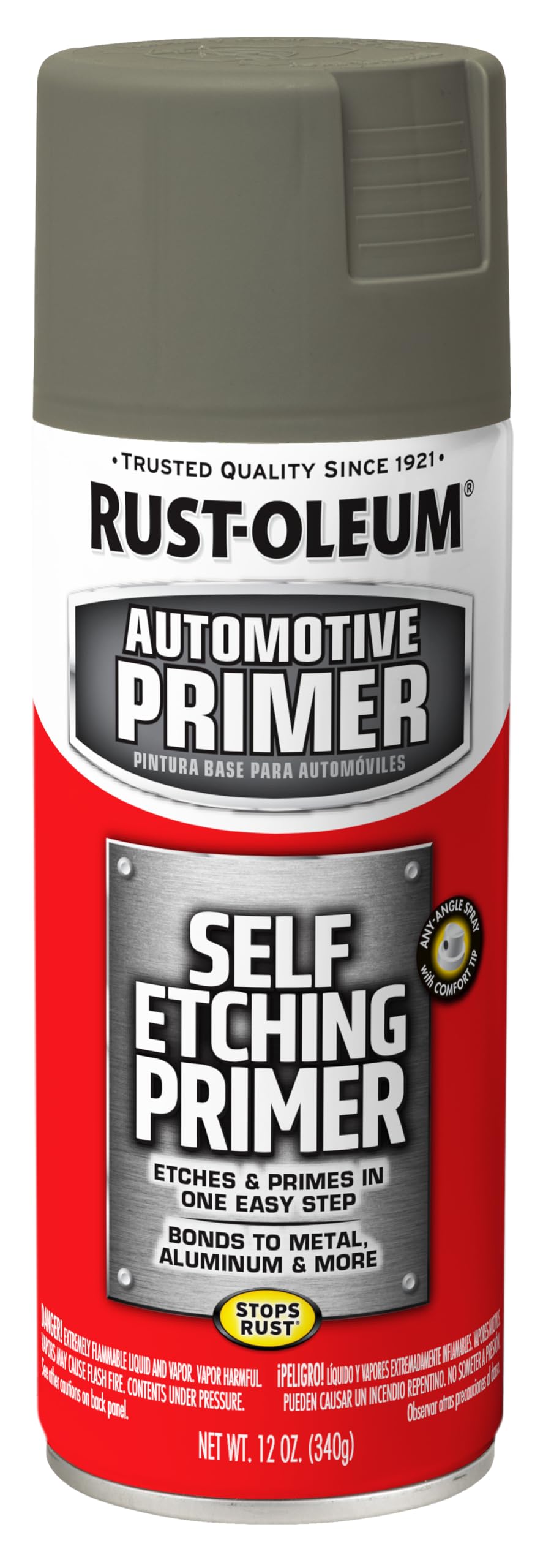
Rust-Oleum Automotive Self Etching Primer Spray, Dark Green

93 /100
Kirk Score Outstanding
Coverage
12 sq ft
Spray vs Liquid
Spray
Aluminum Compatibility
Self-etching (aluminum)
Rust/Corrosion Protection
Check Details on Amazon

Pros

  • Combines etching and priming in a single spray application for strong adhesion on aluminum. — 51 application mentions, 84% positive, including strong aluminum boat priming results
  • Dries quickly and accepts topcoats smoothly after a short wait. — 24 drying time mentions, 83% positive
  • Works on steel and fiberglass in addition to aluminum — a single primer for multi-material jobs.

Cons

  • Topcoat may scratch or chip if the primer hasn't fully cured — rushing this step compromises durability. — 37 durability mentions, 43% negative — some users saw scratches even after drying

Etches and primes in one step for excellent adhesion on bare aluminum, chemically biting into the surface to eliminate the need for a separate acid treatment. This self-etching formula is especially useful for aluminum boats and auto body panels where long-term paint adhesion is critical. It also performs well on bare steel and fiberglass, offering a single primer for mixed-material projects. The dark green tint may slightly influence very light paint colors, so it's best under darker topcoats. Priced affordably for a self-etching primer, it's a practical choice for budget-conscious DIYers who can manage the required cure time.

💡 💡 Tip: Allow at least 24 hours in low humidity for the primer to fully harden before topcoating.

Bottom line: For aluminum projects that need a true chemical bite without a separate etch step, this is a practical, affordable option — just plan around the cure time and choose your topcoat color wisely.

Check Latest Price
#03

Best Brush‑On Option for Large Projects

INSL‑X Stix Primer

92 /100
Kirk Score Outstanding
Coverage
75-100 sq ft
Spray vs Liquid
Liquid
Aluminum Compatibility
Aluminum-compatible bonding
Rust/Corrosion Protection
Check Details on Amazon

Pros

  • Bonds to glossy aluminum and hard-to-coat surfaces without sanding. — 76 adhesion mentions, 80% positive, with aluminum ceilings and metal siding praised
  • Easy soap-and-water cleanup and low VOC. — Noted in bullet points and user application feedback

Cons

  • Curing demands patience; premature recoating can cause peeling. — 46 durability mentions, 39% negative, with peeling when rushed

INSL-X Stix adheres to glossy aluminum without sanding, using a brush-on waterborne formula that covers 75 to 100 square feet per quart. Its low odor and soap-and-water cleanup are real advantages for indoor projects like cabinets or attached garages. Unlike the top-pick aluminum-specific spray primer, this liquid bonding primer trades self-etching chemistry for large-area coverage and no-sanding application.

The trade-off is curing sensitivity: recoating or handling before it fully dries can cause peeling. It's the right call for big aluminum surfaces where low fumes matter more than the spray-can convenience and targeted bite of a dedicated aluminum primer.

💡 💡 Tip: Allow the primer to dry fully and test a small area before topcoating to avoid peeling.

Bottom line: For large-scale aluminum painting where sanding isn't practical and low odor is a priority, this primer delivers strong adhesion and easy cleanup — provided you respect its curing time.

Check Latest Price
#04

Best Professional‑Grade Etch

U-POL ACID#8 Acid Etch Primer

93 /100
Kirk Score Outstanding
Coverage
High coverage
Spray vs Liquid
Spray
Aluminum Compatibility
Self-etching acid
Rust/Corrosion Protection
Anti-corrosive
Check Details on Amazon

Pros

  • Superior bond strength on aluminum and galvanized steel. — 17 adhesion mentions, 76% positive, and explicit aluminum listing
  • Long-term anti-corrosive protection under paint systems. — 24 quality mentions, 92% positive
  • High coverage from the 13 oz can reduces the number of coats needed.

Cons

  • The spray nozzle can drip and deliver an uneven pattern unless cleaned promptly after each use. — 7 spray quality mentions, 57% negative — complaints of nozzle drips

Unlike dark green-tinted self-etching primers that can skew pastels and whites, U-POL ACID#8 dries to a neutral matte gray that lets your chosen topcoat take center stage. The phosphoric acid ester formula creates a chemical bond on bare aluminum and galvanized steel, providing a corrosion-resistant foundation that surpasses general metal primers. The spray nozzle can drip and sputter; cleaning it immediately after each use restores a consistent pattern. This primer is for restoration projects where adhesion is non-negotiable — doors, boat trim, and custom panels — and the user is willing to trade a few extra seconds of nozzle care for paint that won't lift.

💡 💡 Tip: After each use, invert the can and spray for a few seconds to clear the nozzle and prevent drips on your next pass.

Bottom line: The U-POL ACID#8 earns its premium price on projects where adhesion failure isn't an option — just keep a paper towel handy for the nozzle.

Check Latest Price
#05

Best for Welding Projects

Seymour PBE Primer

93 /100
Kirk Score Outstanding
Coverage
12 sq ft
Spray vs Liquid
Spray
Aluminum Compatibility
Zinc self-etching
Rust/Corrosion Protection
Weld-through protection
Check Details on Amazon

Pros

  • Maintains corrosion protection even when welded over, including MIG and TIG processes. — 47 weldability mentions, 81% positive
  • Fast-drying with strong adhesion on clean bare metal and aluminum. — 34 drying time mentions, 76% positive

Cons

Unlike standard self-etching primers that lose protection at the weld seam, this zinc-enhanced formula maintains corrosion resistance even when MIG or TIG welded over — a critical trait for automotive rust repair where panels must be joined. It dries fast on clean bare metal and doubles as a strong etching base for aluminum. The tradeoff is that it's not a general-purpose primer; it's purpose-built for welded joints, and some cans ship without a spray nozzle, so a quick pre-check is wise. For dedicated aluminum painting without welding, the top pick offers a simpler, nozzle-ready solution.

💡 💡 Tip: Check the can for a spray nozzle upon arrival; some ship without one, so keeping a spare nozzle on hand avoids work stoppage.

Bottom line: For aluminum surfaces that will be welded, this primer delivers protection where typical products fail — just verify the can's spray nozzle before you begin.

Check Latest Price
#06

Budget Crafting

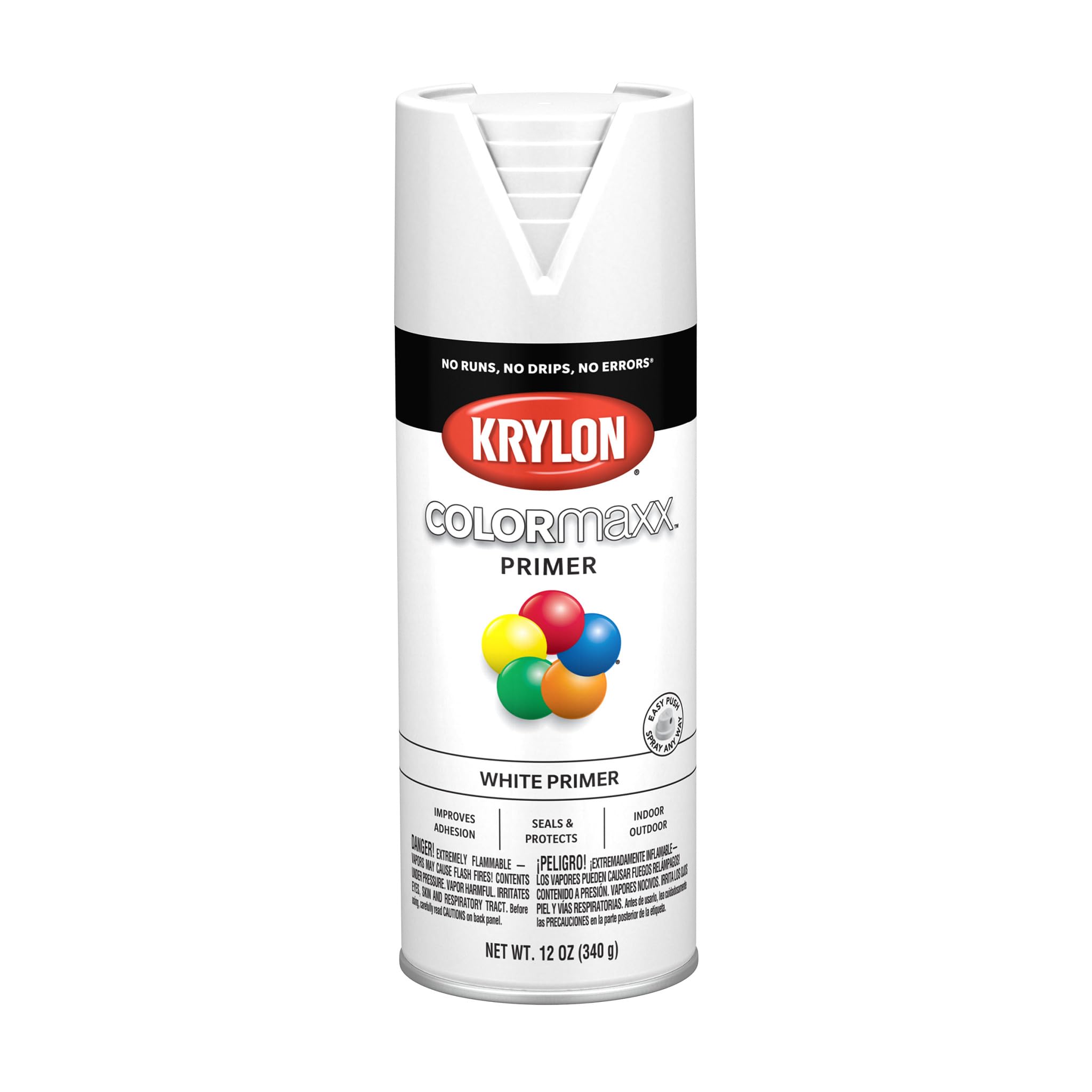
Krylon COLORmaxx Primer Spray Paint, White

93 /100
Kirk Score Outstanding
Coverage
25 sq ft
Spray vs Liquid
Spray
Aluminum Compatibility
General purpose (not aluminum)
Rust/Corrosion Protection
Check Details on Amazon

Pros

  • Extremely quick drying, letting you recoat fast — 198 drying time mentions, 70% positive
  • Works well on plastic, wood, and general craft materials — 357 functionality mentions, 83% positive

Cons

  • Adhesion on aluminum can be unpredictable, with chipping and peeling in some cases — 344 coverage mentions, 37% negative, and no aluminum‑specific compatibility data; 191 durability mentions, 61% negative

Works well on plastic and general crafts, drying in minutes for fast recoating. However, when used on aluminum, coverage and adhesion are unpredictable; chipping and peeling can occur, and it lacks the chemical bite needed for non-ferrous metals. At a budget-friendly price, it's a sensible pick for crafters priming models, wicker, or wood, but it's a non-starter for the aluminum surface prep you're after.

Bottom line: If your project involves priming plastic models, wicker, or craft wood on a tight budget, this quick-drying primer fits the bill — but for aluminum, switch to a primer designed specifically for that metal.

Check Latest Price
#07

Multi-Material

Painter's Touch 2X Primer

95 /100
Kirk Score Outstanding
Coverage
12 sq ft
Spray vs Liquid
Spray
Aluminum Compatibility
Multi-surface (not aluminum)
Rust/Corrosion Protection
Check Details on Amazon

Pros

  • Adheres to raw aluminum, chrome, and plastic — one primer for diverse surfaces. — 140 performance mentions, 87% positive; specific reviews highlight success priming raw aluminum
  • Covers in 1–2 coats on small projects, keeping paint use low. — 101 coverage mentions, 89% positive

Cons

  • Drying time can stretch beyond the claimed 20 minutes in humid conditions. — User anecdotes of paint remaining wet for hours despite 20‑minute touch‑dry claim

The 2X Ultra Cover adheres to raw aluminum, plastic, and chrome, reducing the need for multiple primers on small mixed-material jobs. The spray tip can clog and fumes may be stronger than its low-odor label suggests. For aluminum-first projects requiring long-term outdoor durability, a purpose-built aluminum primer offers stronger engineered adhesion.

Bottom line: When your project involves mixed materials and aluminum isn’t the star, this budget-friendly can handles the job without a separate primer — just plan extra drying time in damp weather. For dedicated aluminum pieces that will live outdoors, a purpose-built aluminum primer is the safer bet.

Check Latest Price

How to Choose

Aluminum Compatibility

Only primers labeled for aluminum or self-etching can form a lasting bond. Standard metal primers rely on a rust-conversion reaction that does not occur on aluminum, so adhesion is weak from the start.

Look for 'aluminum,' 'self-etching,' or 'acid etch' on the label. Multi-surface primers might work on many materials but rarely include aluminum in their testing, leading to peeling within months.

Spray vs Liquid Application

Aerosol sprays are convenient for small-to-medium projects like boat rails or auto body panels, but coverage per can is limited. Liquid primers applied with a brush or roller are far more economical for large surfaces — a quart can cover up to 100 sq ft.

The trade-off: spray cans let you build thin, even coats quickly, while liquid requires more technique to avoid brush marks but saves money on big jobs like aluminum siding or cabinets.

Coverage

Coverage numbers tell you how much area a single can or quart will handle. A 12-oz spray can typically covers 10-14 sq ft; a quart of liquid primer may cover 75-100 sq ft.

Plan your project size against coverage — a 15-foot aluminum boat could require 3-4 spray cans, making a liquid option more practical even if it demands brushwork.

Dry and Recoat Time

Touch-dry times of 20-30 minutes are common, but that does not mean the primer is fully cured. Applying a topcoat too soon traps solvents and can cause wrinkling or peeling, especially in humid conditions.

Wait at least the manufacturer's full recoat window — often 1-2 hours — and extend that time if humidity is above 60%. A hairdryer or heat gun set on low can help speed curing on small parts.

Rust and Corrosion Protection

Not every aluminum primer includes anti-corrosive additives. If the piece lives outdoors — a boat, trailer, or patio furniture — choose a formula that lists corrosion protection or self-etching properties that leave a protective phosphate layer.

For indoor aluminum trim or cabinets, this is less critical, but skipping it on exterior surfaces can invite blistering and galvanic corrosion where fasteners contact the metal.

Frequently Asked Questions