// data-verified

7 Best Primer for New Drywall of 2026: Seal Walls Right Without Spray Failures

For DIYers tired of spray cans that can't cover a wall: the gallons and quarts that actually seal new drywall and accept paint evenly.

New drywall soaks up paint like a sponge, and skipping primer leads to uneven color, peeling, and extra coats. A good primer seals the porous paper and mud, giving paint a smooth, uniform base. But the market is filled with highly rated spray cans that promise versatility yet were never meant for a full wall.

Homeowners often grab a spray can after seeing thousands of positive reviews, not realizing it covers only 12 square feet—barely a closet door. The real workhorses for new drywall are water-based liquid primers in quarts and gallons that dry fast, stick without sanding, and accept any topcoat. This guide picks out the ones that deliver on that promise, so you can spend less time recoating and more time admiring a crisp finish.

#01

Best Overall

Zinsser 1-2-3 Gal Primer

93 /100
Kirk Score Outstanding
Form
Liquid
Base Type
Water-based acrylic
Dry Time & Recoat
35 min touch, 1 hr recoat
Coverage per Container
400-450 sq ft
Check Details on Amazon

Pros

  • Excellent coverage and stain blocking on new drywall, minimizing the number of coats needed. — 165 mentions, 79% positive on coverage
  • Adheres to glossy surfaces without sanding, saving prep time. — 79 mentions, 65% positive
  • Fast 35-minute dry time with easy application, even for DIYers. — 74 mentions, 97% positive ease of use

Cons

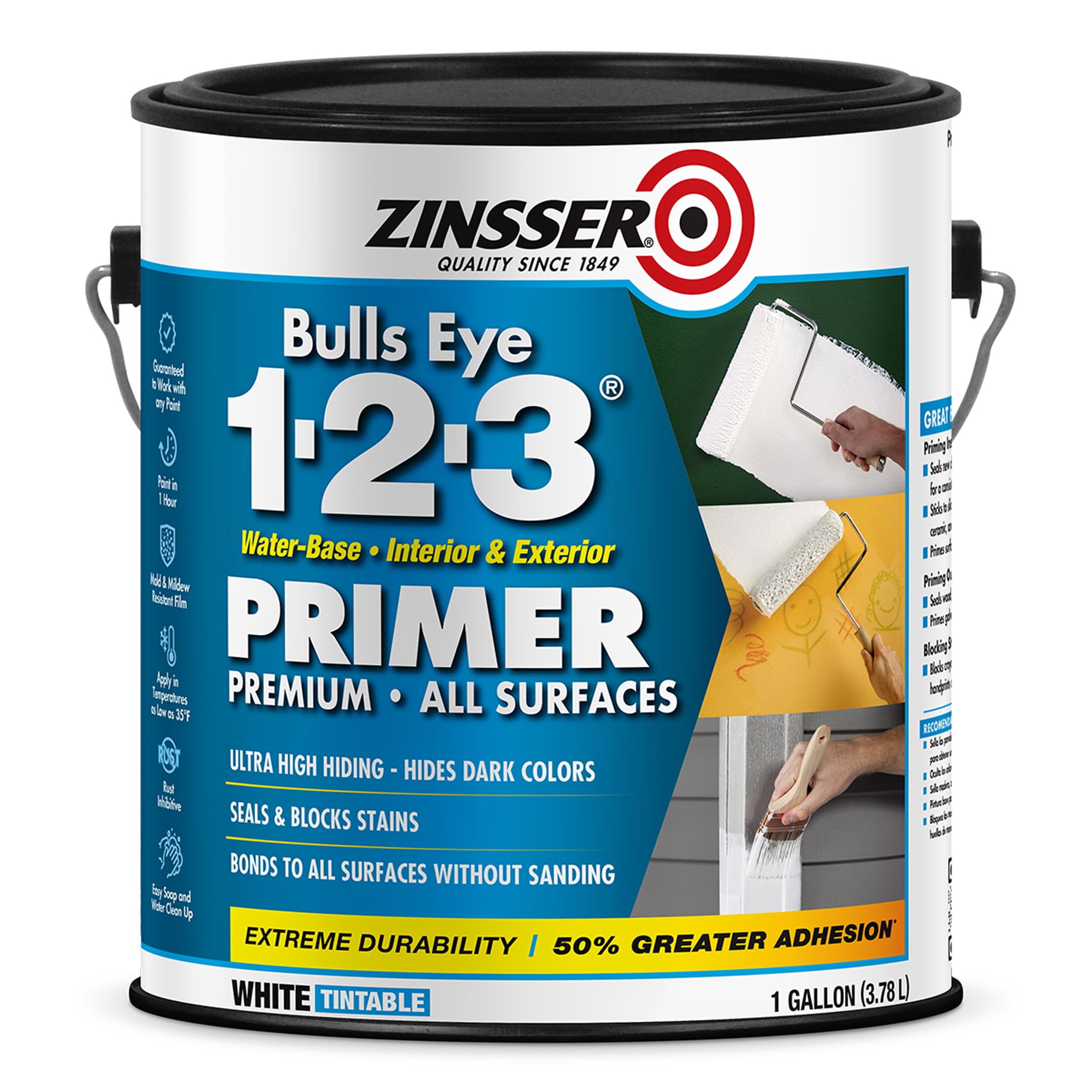
Zinsser 1-2-3 gallon primer delivers 400–450 square feet of coverage, dries to touch in 35 minutes, and bonds to new drywall without sanding. It seals porous drywall evenly, blocking common joint compound stains and ensuring topcoats lay down with uniform color. The water-based formula cleans up with soap and water, and the flat white finish hides imperfections effectively.

This is the right primer for whole-room drywall jobs where coverage volume matters. It also sticks to glossy trim and previously painted surfaces with no sanding, making it a time-saver in renovation work. For small patches, the quart version is a better fit to avoid waste. Be aware that the topcoat can scratch off if the primer isn't allowed to cure completely or if dust from new drywall is left on the surface.

Bottom line: For full-room new drywall priming with fast recoat and no-sand convenience, this gallon-size option covers ground efficiently—just budget the hour of cure time before painting.

Check Latest Price
#02

Best for Whole-House Projects

KILZ 3 Premium Primer, Interior/Exterior, 5 Gallon

93 /100
Kirk Score Outstanding
Form
Liquid
Base Type
Acrylic
Dry Time & Recoat
30 min touch, 1 hr recoat
Coverage per Container
1500-2000 sq ft
Check Details on Amazon

Pros

  • Seals large drywall expanses quickly with coverage up to 2,000 sq ft — 31 mentions, 81% positive coverage
  • Low-odor acrylic formula enables fast water cleanup and minimal ventilation needs — Product specs and reviews confirm
  • Resists mildew growth and blocks common household stains effectively — 26 mentions, 85% positive sealing performance

Cons

  • Deep-set stains like water marks or tannin bleed-through can require a second coat for full hide — 16 mentions, 31% negative stain coverage — some users needed extra coats for severe marks

Where the top pick's gallon efficiently handles one room, this 5-gallon pail streamlines whole-house drywall priming in a single purchase. The low-VOC acrylic formula applies with minimal odor and cleans up with soap and water, while built-in mildew resistance protects the primer film itself. Coverage spans up to 2,000 square feet — enough for an entire floor's bare rock. It's the right call for contractors or DIYers tackling a large renovation, but skip it for a single bedroom: the sheer volume will outlast your project and take up storage.

💡 💡 Tip: For stubborn stains, spot-treat with an oil- or shellac-based primer first; that spares you from applying a full second coat of KILZ 3.

Bottom line: If you're priming every wall in a new build or gut renovation, this pail delivers the coverage and mildew protection to keep the job moving without mid-project store runs.

Check Latest Price
#03

Best for Small to Medium Rooms

Zinsser WB Primer Quart

89 /100
Kirk Score Excellent
Form
Liquid
Base Type
Water-based
Dry Time & Recoat
30 min touch
Coverage per Container
100 sq ft
Check Details on Amazon

Pros

  • Adheres to painted surfaces without sanding or deglossing. — 10 mentions, 80% positive adhesion
  • Dries quickly with low odor, making indoor application tolerable. — 10 mentions, 80% positive drying time
  • Provides a uniform flat base that promotes even topcoat coverage. — 23 mentions, 74% positive coverage

Cons

  • Edges can chip if the topcoat isn't applied within the recommended recoat window. — 10 mentions, 50% negative durability — occasional chipping noted on edges.

For single-room drywall projects, this quart delivers 100 square feet of coverage, water-based low odor, and zero-sanding adhesion to painted surfaces. It dries to the touch in about 30 minutes and cleans up with soap and water.

DIYers tackling small to medium drywall jobs will benefit from the fast dry time and uniform flat base for topcoats. Chipping on edges can occur if the topcoat isn't applied within the recoat window—so plan your timeline accordingly.

💡 💡 Tip: Apply your topcoat within the recommended recoat window to prevent edge chipping.

Bottom line: This quart handles a single room of drywall efficiently, provided you time the topcoat right to avoid edge chipping.

Check Latest Price
#04

Best Budget-Friendly Alternative

Rust-Oleum Painter's Primer

91 /100
Kirk Score Outstanding
Form
Liquid
Base Type
Acrylic
Dry Time & Recoat
30 min touch
Coverage per Container
120 sq ft
Check Details on Amazon

Pros

  • Achieves solid one-coat coverage on wood and metal. — 535 mentions, 80% positive
  • Dries quickly and cleans up with simple soap and water. — 477 mentions, 77% positive
  • Smooth, even application that hides underlying colors well. — 1006 mentions, 85% positive

Cons

  • The 'flat' finish may dry with a noticeable sheen, leading to touch-up mismatch on dead-flat ceilings. — 327 mentions, 28% negative — multiple reviews report glossy or satin appearance

This acrylic primer delivers smooth application and good hiding power across wood, metal, and general surfaces, with fast dry times that keep projects moving. On new drywall, it seals porous surfaces adequately for topcoats on walls where a subtle sheen is acceptable. The advertised 'flat' finish can dry with a noticeable gloss, causing mismatch on dead-flat ceilings—a limitation for buyers needing absolute flatness for touch-ups. It remains a solid choice for budget-conscious DIYers priming furniture, trim, and wall drywall where the slight sheen won't disrupt the final look.

Bottom line: If you're priming walls, furniture, or trim and don't need a dead-flat ceiling finish, this affordable quart covers ground fast without breaking the budget.

Check Latest Price
#05

Small Crafts

Rust-Oleum 2X Primer Spray

95 /100
Kirk Score Outstanding
Form
Spray
Base Type
Aerosol
Dry Time & Recoat
20 min touch
Coverage per Container
12 sq ft
Check Details on Amazon

Pros

  • Excellent coverage on miniatures, 3D prints, and small craft surfaces — 101 mentions, 89% positive
  • Budget-friendly price for hobbyists and small projects — 79 mentions, 87% positive

Cons

  • Nozzle can clog or break, interrupting the spray pattern — 65 mentions, 62% negative

The Rust-Oleum 2X delivers outstanding flat white adhesion on miniatures, 3D prints, and small craft items where a spray can is the easiest applicator. With only 12 square feet of coverage and no formulation for gypsum board, it is entirely mismatched for sealing whole sheets of new drywall. This is a spot-coverage tool — effective on non-porous surfaces like metal or plastic, but the wrong choice if your project involves walls.

Bottom line: Best suited for hobbyists painting miniatures or touching up furniture — not for whole drywall walls.

Check Latest Price
#06

Small Projects

Krylon COLORmaxx Primer

93 /100
Kirk Score Outstanding
Form
Spray
Base Type
Aerosol
Dry Time & Recoat
10 min touch
Coverage per Container
25 sq ft
Check Details on Amazon

Pros

  • Fast-drying formula speeds up project time — 198 mentions, 70% positive
  • Bright white base intensifies topcoat colors on plastic and metal — 717 mentions, 72% positive

Cons

  • Topcoats may chip or peel on surfaces that flex or see frequent handling — 191 mentions, 61% negative — a segment of users experienced topcoat failure

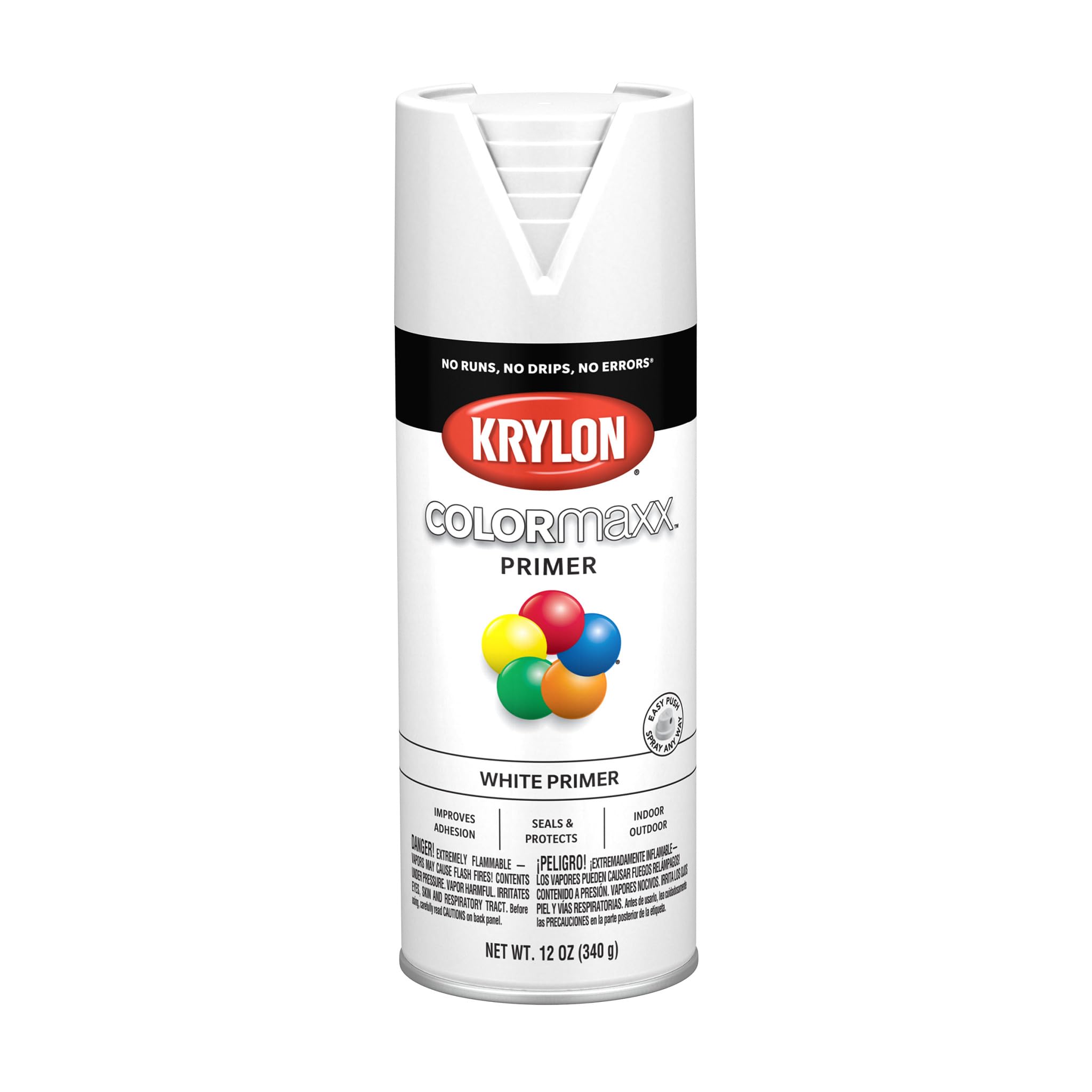
If your goal is drywall sealing, this spray is a mismatch — no drywall compatibility and only 25 sq ft coverage. For small crafts, it provides a fast-drying undercoat that makes colors pop on plastic and metal. Durability may be an issue on items that get handled, so it's best for decorative pieces.

Bottom line: A handy choice for quick-drying craft primer on plastic and metal, as long as drywall sealing isn't on the list.

Check Latest Price
#07

Spot Stains

KILZ Original Spray 6pk

92 /100
Kirk Score Outstanding
Form
Spray
Base Type
Oil-based spray
Dry Time & Recoat
1 hr touch
Coverage per Container
12 sq ft per can
Check Details on Amazon

Pros

  • Legendary stain-blocking performance on water, smoke, and tannin stains — 7 mentions, 100% positive effectiveness
  • Covers tough marks in a single coat, minimizing rework — User reviews confirm complete coverage

Cons

  • Each can covers only up to 12 sq ft, making it impractical for anything beyond spot treatments

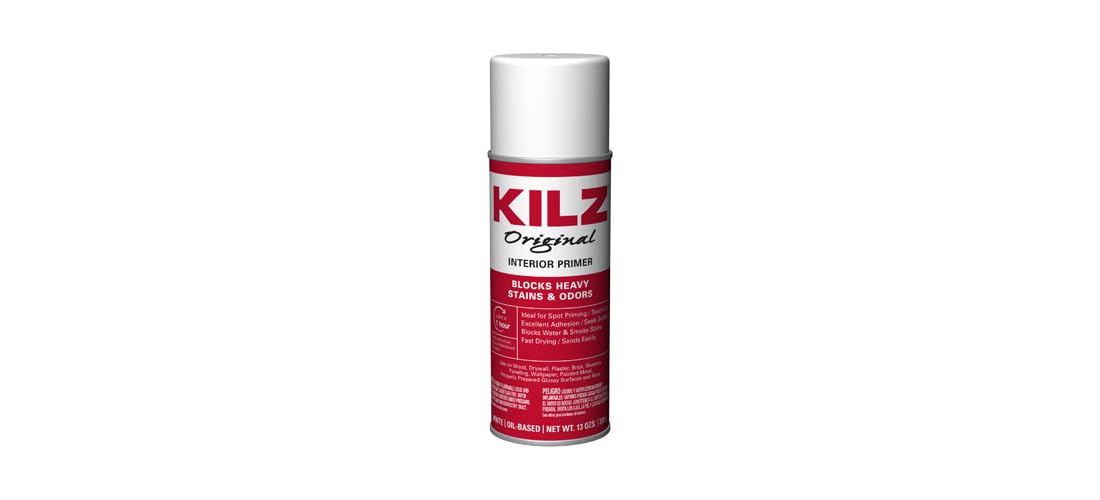
This six-pack of KILZ Original spray delivers legendary one-coat stain blocking on water, smoke, and tannin marks — exactly what it's designed for. However, it's a specialty spot-treatment product, not a drywall primer; the oil base and strong odor demand ventilation, and the formula is meant for sealing stains, not new drywall board.

Bottom line: For sealing whole new drywall, look to a liquid gallon primer. If you have a few stains to kill on trim or around the house, these sprays handle that job with classic KILZ stain-blocking power.

Check Latest Price

How to Choose

Form (Liquid vs Spray)

Spray cans atomize the coating into a fine mist that drifts, deposits unevenly, and covers only 10–25 square feet. On a fresh 12x12 room, that means fighting a dozen cans for a blotchy base.

Liquid primers applied with a roller lay down a thick, consistent film that soaks into drywall paper and mud uniformly. For anything larger than a small patch, a gallon or quart in a tray is the only reliable path.

Coverage per Container

New drywall is extremely absorbent; you'll often need two coats to seal it properly. A quart rated at 100 square feet sounds adequate for a small room, but it will likely cover only a single coat of a 10x10 space's walls.

Choosing a gallon with 400+ square feet of coverage leaves margin for a second pass and avoids the frustration of hunting down the same brand mid-project, when a mismatch could cause flashing under the topcoat.

Drywall Compatibility

Not every primer is tested against the alkaline nature of drywall paper and dried joint compound. Primers that lack explicit drywall compatibility may fail to seal, causing the topcoat to bond poorly and eventually peel away in sheets.

An 'all-surface' label on a can doesn't guarantee that the product manages drywall's unique porosity. The safest picks name drywall directly in the description or surface compatibility list.

Base Type (Water vs Oil)

Water-based acrylic primers are low-odor, fast to dry, and clean up with soap and water. They bond to drywall paper without raising the grain, making them the default choice for new drywall.

Oil-based primers excel at blocking stubborn stains but cure slowly, emit strong fumes, and are often overkill for bare drywall. Reserve oil formulas for stain-covering touch-ups on trim, not whole-room sealing.

Dry Time & Recoat Window

Applying the topcoat too soon can lift the primer, while waiting too long allows it to harden and reject adhesion. Most water-based primers hit a sweet spot around the 1-hour mark, when the surface is still slightly tacky.

Ignoring the recoat window is a leading cause of scratched-off topcoats weeks after painting. Stick to the time printed on the can, and avoid the urge to speed through or postpone the next step.

Frequently Asked Questions