// data-verified

9 Best Hammer Drills 2026: Rotary Hammers That Drill Concrete

From corded to cordless, find the best hammer drills (and rotary hammers) that power through concrete, brick, and stone for home improvement projects.

If a standard pistol-grip hammer drill has ever left you sweating over a single hole in concrete, you already know the problem: it lacks the piston-driven impact of a rotary hammer. An SDS-Plus rotary hammer drives a bit with focused percussive force, making short work of masonry that bogs down ordinary drills. This guide cuts through the terminology to help you select the tool that matches your actual hole size and material.

Corded rotary hammers deliver nonstop power and a lower cost, but demand an outlet. Cordless SDS tools sacrifice some stamina for the mobility to climb ladders or work in unfinished spaces without a cord. We’ve weighed these trade-offs across real-world performance, so you can choose confidently between a compact 12V subcompact for small anchors and a heavy-duty 13-amp demolition machine.

#01

Best Overall Hammer Drill for Concrete

Bosch 11255VSR Bulldog

94 /100
Kirk Score Outstanding
Weight
10.4 lbs
Chuck Type
SDS-Plus
Power Source
Corded
Impact Energy
2.0 ft-lbs
Check Details on Amazon

Pros

  • Motors through concrete without bogging down, even in reinforced slabs — 86 mentions, 93% positive on motor power
  • Quickly drills up to 1-inch holes in brick and stone for anchors and conduit — 113 mentions, 93% positive on concrete cutting
  • Mid-range price delivers performance that competes with costlier corded and cordless models — 96 mentions, 93% positive on value

Cons

  • Brush wear can require replacement after prolonged heavy use — 103 durability mentions, 23% negative — brush wear noted
  • Corded design confines you to sites with outlet access, limiting remote work — Expected tradeoff for corded power

The 8 Amp motor spins up an SDS-Plus chuck that powers through concrete at 2.0 ft-lbs of impact energy without stalling, even in reinforced slabs. Drilling 1-inch holes for conduit or setting anchors in brick feels rapid and controlled, and the tool handles light chiseling without overheating. At 10.4 lbs, it provides enough heft to stabilize the bit but stays manageable for downward drilling, and the variable speed trigger lets you start holes cleanly. A three-mode selector switches between rotation-only, hammer-drill, and hammer-only, so you are not locked into one function.

This rotary hammer fits homeowners tackling fence posts or masonry repairs and electricians roughing in boxes, provided a power outlet is nearby. The corded design means no battery anxiety and a simpler internal layout, but it does confine you to jobsites with accessible power. Occasional brush replacement may be needed after years of heavy use, though the fix is inexpensive and straightforward. Ultimately, it suits anyone from a weekend warrior mounting a TV on brick to a contractor sinking Tapcons all day, as long as a cord reel reaches the work area.

💡 💡 Tip: Pair with a heavy-gauge extension cord to gain flexibility while maintaining full motor power.

Bottom line: If you can work near an outlet and want consistent concrete drilling without investing in a battery platform, this rotary hammer sets the standard.

Check Latest Price
#02

Best Cordless SDS Rotary for Professionals

DEWALT DCH273B 20V SDS

94 /100
Kirk Score Outstanding
Weight
6.4 lbs
Chuck Type
SDS-Plus
Power Source
Battery
Impact Energy
2.1 Joules
Check Details on Amazon

Pros

  • Outstanding concrete drilling speed, even in reinforced slabs — 41 mentions, 100% positive in drill performance topic
  • At 6.4 lbs, it's light enough for sustained overhead anchor work — 38 mentions on weight, 84% positive; 27 mentions ease of use, 100% positive
  • Consistent build quality and a track record of holding up under daily use — 158 mentions, 97% positive

Cons

  • Sold bare; requires a separate DEWALT 20V battery and charger investment — Frequent buyer notes about missing battery; part of the 'tool only' series
  • Some units can develop motor or chuck issues earlier than expected — 64 mentions, 34% negative — occasional motor/chuck problems

Unlike hybrid hammer drill/drivers that tack on a hammer mode, the DCH273B is a dedicated SDS-Plus rotary hammer engineered for concrete and masonry. It powers through 3/8-inch and 1/2-inch anchor holes in reinforced slabs without bogging down, and the SHOCKS system noticeably reduces vibration during extended overhead work.

This bare tool makes immediate sense for electricians, plumbers, and HVAC techs who already own DEWALT 20V batteries and need a lightweight rotary for anchoring and occasional light chipping. Without existing batteries, the added cost pushes it well above corded alternatives like the top pick — a tradeoff justified only if cordless mobility is a hard requirement.

💡 💡 Tip: Pair with a 5Ah or larger DEWALT 20V battery to keep pace through batches of 1/2-inch holes; smaller packs drain quickly during sustained hammering.

Bottom line: When DEWALT 20V batteries are already on the shelf, the DCH273B brings cordless concrete drilling within reach — fast, light, and comfortable enough for all-day anchoring work.

Check Latest Price
#03

Best Value Heavy-Duty Rotary Hammer

ENEACRO ENRH3201

92 /100
Kirk Score Outstanding
Weight
12.6 lbs
Chuck Type
SDS-Plus
Power Source
Corded
Impact Energy
7.4 Joules
Check Details on Amazon

Pros

  • Ready-to-work kit with SDS-Plus bits, chisels, and case — no additional purchases needed. — 242 mentions, 97% positive
  • 5.5 ft-lbs of impact power speeds through concrete and tile demolition. — 109 mentions, 95% positive on power
  • Metal gear housing stands up to heavy hammering without failure. — 277 mentions, 92% positive

Cons

  • The 12.6-pound weight makes overhead use fatiguing — two-handed operation required. — 84 mentions, 39% negative on weight
  • Brush life can vary; early brush replacement may be needed under sustained heavy use. — 141 mentions, 28% negative on longevity

Packing 7.4 Joules (5.5 ft-lbs) of impact, this 13-amp rotary hammer out-punches most corded competitors, boring large holes through concrete and chipping tile without slowdown. The metal gear housing and included SDS-Plus bits and chisels add serious value.

The 12.6-pound weight is a tradeoff for that extreme force, making overhead work fatiguing. It excels at floor-level demolition and wall drilling — patios, sidewalks, stem walls — where gravity assists rather than fights you.

💡 💡 Tip: Pair with a lightweight cordless drill for overhead anchors to avoid fatigue.

Bottom line: For DIYers who need demolition power on a budget and primarily work on floors and walls, this kit delivers a level of impact that justifies its heft.

Check Latest Price
#04

Best Compact Hammer Drill for Light Concrete Jobs

Milwaukee 3404-20 M12 Fuel

93 /100
Kirk Score Outstanding
Weight
2.18 lbs
Chuck Type
1/2-inch keyless
Power Source
Battery
Impact Energy
Check Details on Amazon

Pros

  • Extremely compact and lightweight for one-handed use in tight spaces — 64 mentions on compact size, 98% positive
  • Durable build quality that holds up to daily professional handling — 140 mentions, 94% positive
  • Surprising power for its size, easily drilling small anchor holes in brick and concrete — 82 mentions on power, 88% positive

Cons

  • Battery runs down fast under constant hammer use, so spare packs are a must — 36 mentions, 47% negative — frequent recharges required

Weighing just 2.18 pounds, the Milwaukee 3404-20 M12 Fuel slips into tight stud bays where bulkier drills can't. The 1/2-inch all-metal chuck and 400 in-lbs of torque deliver enough punch to set Tapcons and small concrete anchors without straining.

For electricians and HVAC techs running anchor holes in confined spaces, the compact size is the real advantage. The trade-off: continuous hammering drains the M12 battery quickly, and it cannot bore holes larger than 1/2 inch in concrete. This is a specialist for precision anchoring, not a substitute for a full-size rotary hammer.

💡 💡 Tip: Keep a couple of spare M12 batteries nearby; hammer mode depletes the compact packs faster than driving screws.

Bottom line: If your workday involves squeezing between joists for a few anchors, this drill disappears in your hand — but leave the heavy concrete to a dedicated SDS rotary.

Check Latest Price
#05

Best All-In-One Budget Kit for Beginners

Skil HD182002 Kit

91 /100
Kirk Score Outstanding
Weight
12.9 lbs
Chuck Type
1/2-inch keyed
Power Source
Corded
Impact Energy
Check Details on Amazon

Pros

  • Comprehensive bit set covers drilling and driving, eliminating separate purchases. — 24 mentions on bit selection, 92% positive
  • 7.5 Amp motor drives through household brick and concrete for occasional tasks. — 28 mentions on power, 93% positive
  • Budget-friendly kit price includes case and side handle, maximizing beginner value. — 58 mentions on value, 95% positive

Cons

  • Before starting a project, verify the kit includes the chuck key and side handle; some packages may be missing these. — 15 mentions on included parts, 60% negative
  • Under sustained concrete drilling, the motor can smoke or fail, so limit continuous use to short bursts. — 35 mentions, 60% negative — serious reliability concerns

Unlike rotary hammer picks that focus on longevity, this kit prioritizes immediate accessory value. The 100-piece bit set plus a case, side handle, and depth gauge eliminate separate purchases for drilling into brick and driving screws. The 7.5 Amp motor has enough power for occasional concrete holes, but sustained use can push it past its limits.

It suits homeowners tackling a few anchor holes or small masonry projects, who accept that the motor may smoke or fail under continuous use. The low price makes it a low-risk entry point for learning if a hammer drill meets your needs without overinvesting. For regular or heavy-duty concrete drilling, a dedicated rotary hammer is a more dependable long-term choice.

💡 💡 Tip: Verify all components are present before starting your project; missing chuck key or side handle can be replaced but it saves time to check early.

Bottom line: For a first-time DIYer needing a full starter kit for light, intermittent masonry holes, this package offers high value. If you plan regular concrete work, a more durable rotary hammer is a smarter long-term investment.

Check Latest Price
#06

Best High-Power Cordless Rotary for 1 Inch Drilling

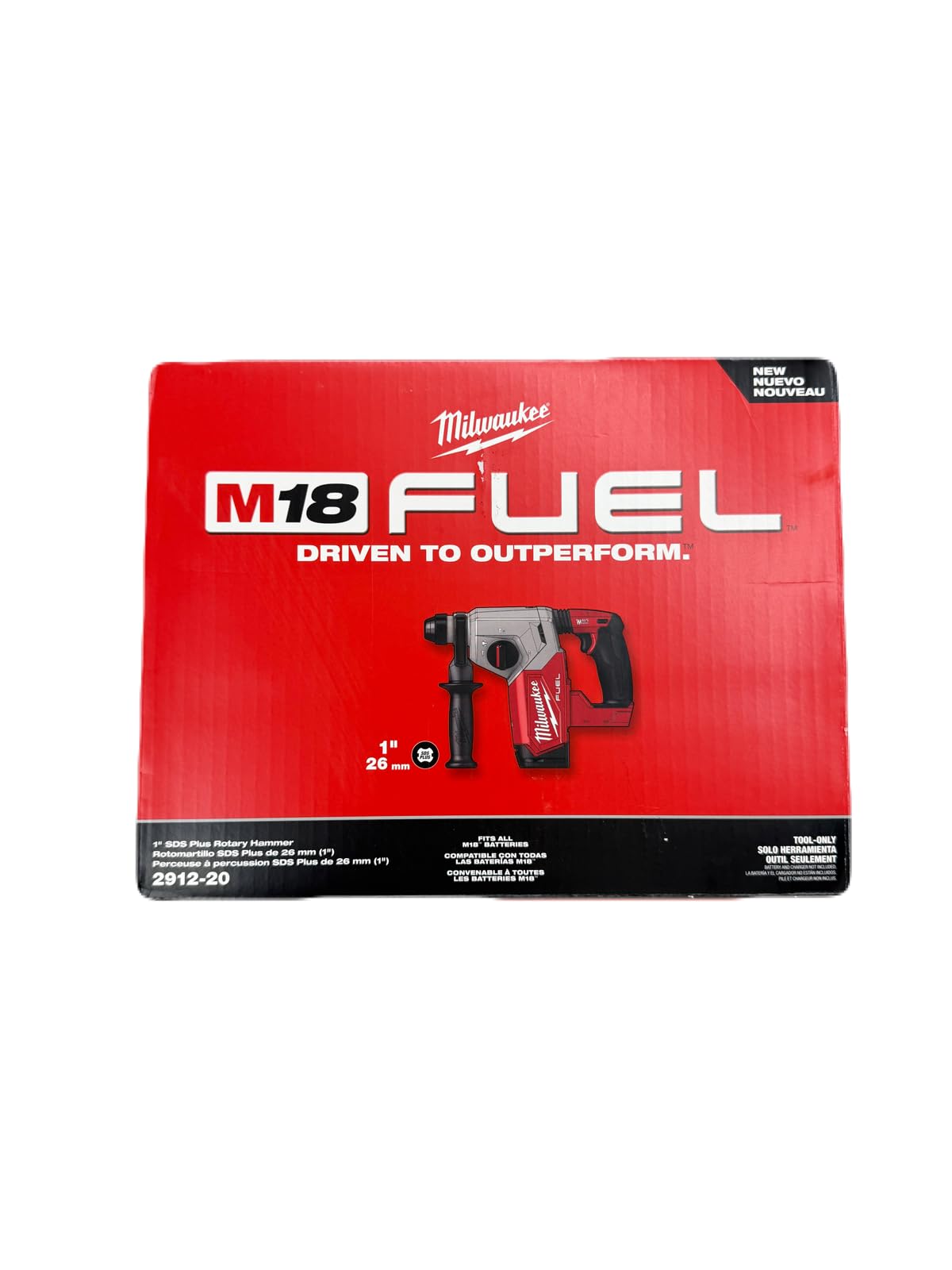
Milwaukee 2912-20 M18 Fuel SDS

93 /100
Kirk Score Outstanding
Weight
7.5 lbs
Chuck Type
SDS-Plus
Power Source
Battery
Impact Energy
2.0 ft-lbs
Check Details on Amazon

Pros

  • Drills 1-inch concrete holes fast for a cordless tool. — 39 mentions on performance, 85% positive
  • Compact size and balanced handling for its power class. — 6 mentions compact size, 100% positive; handling 83% positive
  • Milwaukee construction that stands up to daily job-site use. — Few direct mentions, but overall rating 4.8

Cons

  • Heft can cause fatigue during prolonged overhead work. — 8 mentions, 63% negative on weight
  • Battery runtime may be short under continuous heavy loads. — 8 mentions, 38% negative

Unlike the top pick’s corded anchor, this Milwaukee brings M18 FUEL power and AUTOSTOP anti-bind control to any site without an outlet, drilling 1-inch concrete holes faster than many corded rotaries in its class.

It’s built for tradespeople on the M18 platform who need a compact SDS for daily anchor installations — electricians, plumbers, and scaffolders. Battery life tails off under continuous heavy use, so it’s less suited for all-day chiselling or dozens of large holes back-to-back. The 7.5-pound weight may also become noticeable during sustained overhead work.

💡 💡 Tip: Keep a spare High Output battery charged if you plan to drill more than a dozen large holes per session.

Bottom line: A cordless SDS that punches above its weight class for M18 platform owners drilling 1-inch anchors, provided all-day chiselling isn’t the daily demand.

Check Latest Price
#07

High-torque driving tasks

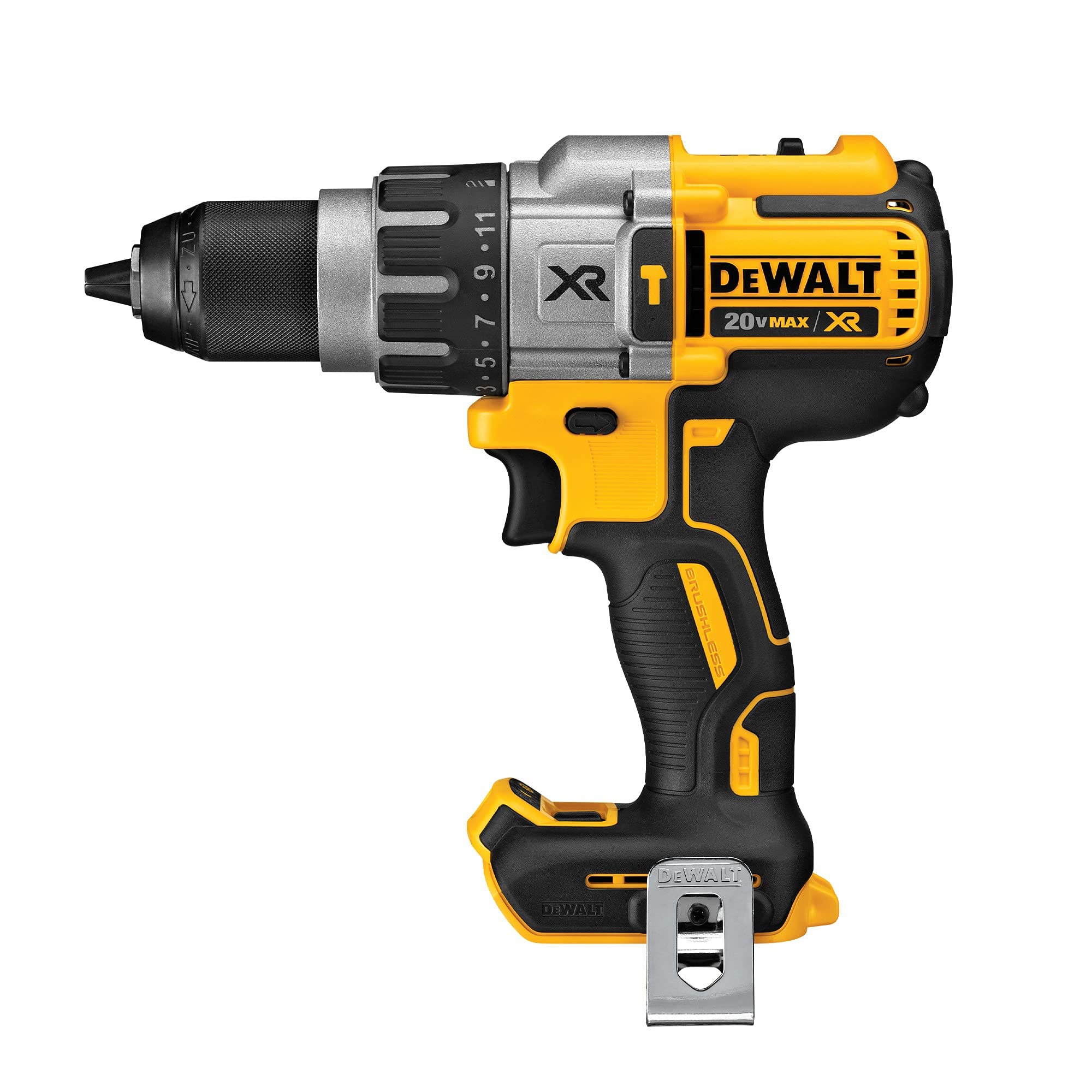
DEWALT DCD996B 20V MAX

95 /100
Kirk Score Outstanding
Weight
4 lbs
Chuck Type
1/2-inch ratcheting
Power Source
Battery
Impact Energy
Check Details on Amazon

Pros

  • Powerful brushless motor handles large hole saws and heavy driving with corded-like performance. — 169 mentions, 95% positive
  • Tough metal chuck and solid build survive drops and daily rigors on the job site. — 306 mentions, 90% positive

Cons

  • Bare tool only — no battery or charger, so it adds cost unless you already own DEWALT 20V packs. — Multiple reviews mention expecting battery to be included

The brushless motor drives large bits and fasteners with authority, and the hammer mode suffices for light anchor holes. Just know that it’s a drill/driver first — extended concrete work demands a rotary hammer. For DEWALT 20V users who want one powerful all-arounder and accept that masonry drilling is secondary, it’s a strong pick.

Bottom line: A sensible pick for DEWALT 20V owners who need one powerful tool for heavy fastening and light masonry, and already own batteries to offset the bare-tool cost.

Check Latest Price
#08

Budget heavy demolition

ENEACRO ENRH3203

92 /100
Kirk Score Outstanding
Weight
11.1 lbs
Chuck Type
SDS-Plus
Power Source
Corded
Impact Energy
7.0 Joules
Check Details on Amazon

Pros

  • Comprehensive kit includes drill bits, chisels, and a carrying case — ready for concrete work out of the box. — 231 mentions, 99% positive
  • 7 Joules of impact energy efficiently powers through concrete, brick, and stone for drilling and light chipping. — 209 mentions, 93% positive on functionality

Cons

  • Chuck can occasionally release bits if not fully seated, requiring extra attention during work. — 116 mentions, 22% negative on durability

The ENEACRO ENRH3203 offers 12.5 Amps, 7 Joules impact, and a full accessory kit for budget concrete work. It lacks a chisel-angle adjustment and the extra oomph of its sibling, but handles light demolition and drilling well. Chuck may occasionally release bits if not fully seated — a pre-work check prevents interruptions. At 11.1 lbs, overhead work becomes fatiguing.

Bottom line: For occasional DIY concrete drilling and light demolition where budget is the priority, this full kit delivers strong impact and accessory value — just check bit seating before pulling the trigger.

Check Latest Price
#09

Makita occasional anchoring

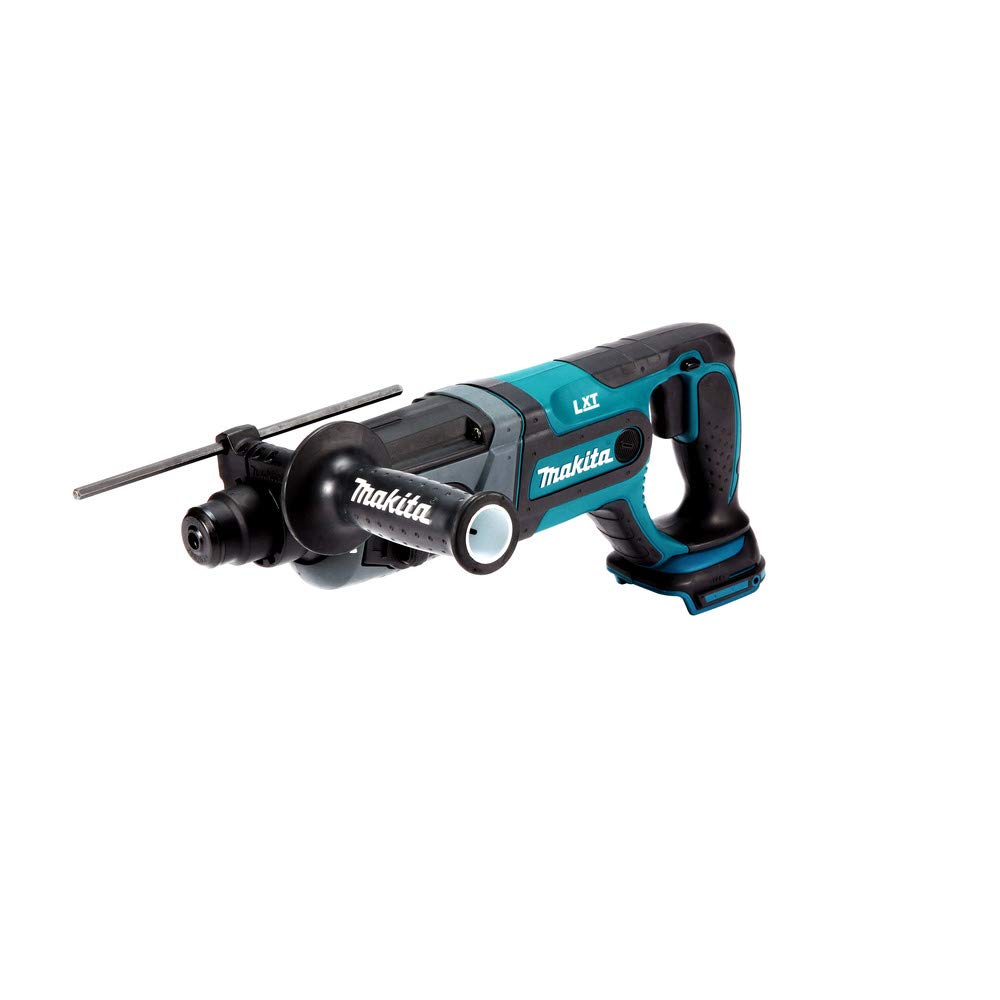
Makita XRH04Z

94 /100
Kirk Score Outstanding
Weight
7.4 lbs
Chuck Type
SDS-Plus
Power Source
Battery
Impact Energy
Check Details on Amazon

Pros

  • Dependable hammer action for light masonry anchoring tasks — 47 mentions, 91% positive on quality
  • Effective drilling through concrete and block for its size — 11 mentions drill performance, 73% positive

Cons

  • Battery drains quickly; needs recharging after a handful of anchor holes, even with 5Ah pack — 11 mentions, 82% negative — frequent recharging required

The Makita XRH04Z drills concrete and block adequately for light anchoring tasks, with dependable hammer action. Battery life is brief, so it's suited to short sessions, not continuous work. It makes sense only for Makita 18V LXT owners who already have batteries and charger and need an occasional rotary hammer for small home projects.

Bottom line: For Makita 18V LXT owners who already own batteries and charger and only need to drill a few anchor holes at a time, the XRH04Z handles the job without the cost or weight of a larger corded rotary.

Check Latest Price

How to Choose

Impact Energy (Joules)

Impact energy determines how fast a rotary hammer can fracture concrete. For a corded rotary, 2 ft-lbs (about 2.7 Joules) easily handles 3/8-inch holes; 7 Joules (roughly 5 ft-lbs) powers through 1-inch holes and speeds demolition. Cordless models often quote Joules differently, so pay attention to real-world drilling speeds rather than only the number.

The hidden trade-off: higher impact adds weight and cost. Match Joules to the anchor size you drill most often—overspending on top-tier impact makes no sense if you only set 1/4-inch anchors.

Corded vs. Cordless

Corded rotary hammers never fade mid-job and are typically cheaper, but tether you to an outlet—a non-issue for basement or garage work, but limiting on a roof or unpowered jobsite.

Cordless models use 18V/20V max batteries for lag-free mobility; however, runtime drops sharply under continuous hammering, and spare batteries add ongoing cost. Choose corded when you work near power and value simplicity, or cordless when you need to move frequently between locations without managing extension cords.

SDS-Plus vs. Keyed Chuck

An SDS-Plus chuck grips the bit with spring-loaded balls, allowing the bit to slide axially and deliver concentrated percussion. This design enables fast one-handed bit changes and prevents the slow loosening that plagues standard chucks under vibration.

Keyed or keyless chucks hold round-shank bits, but hammer action can cause slippage or heat buildup. For concrete masonry, SDS-Plus is the standard; a regular chuck works for occasional small holes but becomes a frustration point in anything more than very light duty.

Weight and Handling

Lighter rotary hammers (under 5 lbs) excel for overhead anchor setting and all-day comfort, but they trade off impact energy and often omit a chiseling mode. Heavier models (10+ lbs) pack higher Joules and stand up to demolition, yet quickly fatigue your arms when working above shoulder height.

Consider how much of your work is horizontal versus upward—if you drill mostly into walls at chest level, weight matters less; if you spend hours over your head, a compact SDS rated around 2 Joules will save your shoulders.

Kits and Bare Tools

Many SDS rotary hammers ship as bare tools, meaning no battery, charger, or bits. If you already own a compatible battery platform, buying bare saves money; if not, building a new battery system adds significant upfront cost.

Kits that toss in quality SDS bits, chisels, and a carrying case add immediate value and prevent steep accessory purchases later. Always check whether a tool-only listing fits your existing ecosystem, or whether a bundle price makes more sense for your start-up gear.

Frequently Asked Questions